
By Jay’s Insights
New York City, NY – July 4, 2025 – In the intricate tapestry of political discourse and historical analysis, certain names transcend their individual identity to become conceptual anchors. This phenomenon, where proper nouns morph into descriptive adjectives or substantive nouns, offers a fascinating glimpse into how language evolves to categorize and define complex societal and ideological phenomena. This article explores this linguistic transformation, drawing parallels between literary critique and contemporary political branding, a topic recently explored in depth.
The Genesis of “Orwellian“: A Literary Precedent
The term “Orwellian” serves as a quintessential example of a proper noun yielding a powerful descriptive adjective. Derived from the celebrated British author George Orwell (born Eric Arthur Blair), this adjective is intrinsically linked to the dystopian themes present in his seminal works, most notably Nineteen Eighty-Four. An “Orwellian” scenario typically evokes imagery of totalitarian control, pervasive surveillance, manipulated truth, and the suppression of individual liberties.
The adoption of “Orwellian” into the common lexicon demonstrates language’s capacity to distill complex literary constructs into a single, universally understood term. It allows for immediate comprehension of a specific type of societal or political oppression, echoing Orwell’s profound warnings about the dangers of unchecked power and the erosion of truth.
McCarthyism: A Historical and Ideological Marker
Shifting from the literary to the historical-political sphere, the term “McCarthyism” provides a potent example of a proper noun’s transformation into a descriptive noun. Named after Senator Joseph R. McCarthy, a prominent figure in American politics during the mid-20th century, “McCarthyism” denotes the practice of making accusations of disloyalty, subversion, or treason without sufficient evidence, often employing aggressive and unsubstantiated investigative tactics.
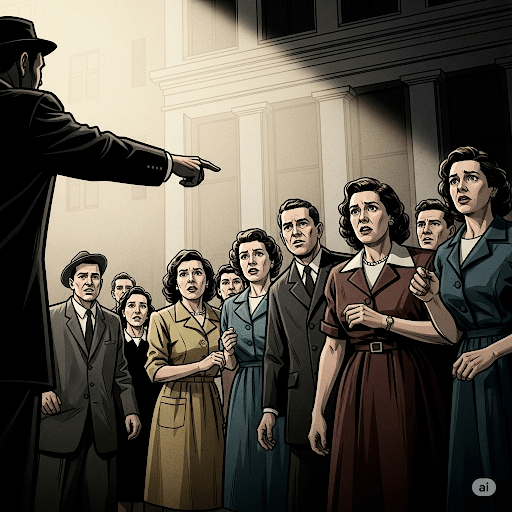
While the “McCarthy Era” refers to the specific historical period (roughly late 1940s to mid-1950s) characterized by heightened anti-communist paranoia in the United States, “McCarthyism” transcends this temporal boundary. It functions as a conceptual tool to describe any instance of ideological witch-hunts, suppression of dissent, or public denunciation based on flimsy evidence, regardless of the specific historical context. This distinction highlights how language differentiates between a chronological period and the enduring practices or ideologies that defined it.
Bidenomics and Trumpism: Contemporary Political Coinage
The phenomenon of deriving broader terms from proper nouns remains highly active in contemporary politics, as evidenced by “Bidenomics” and “Trumpism.”
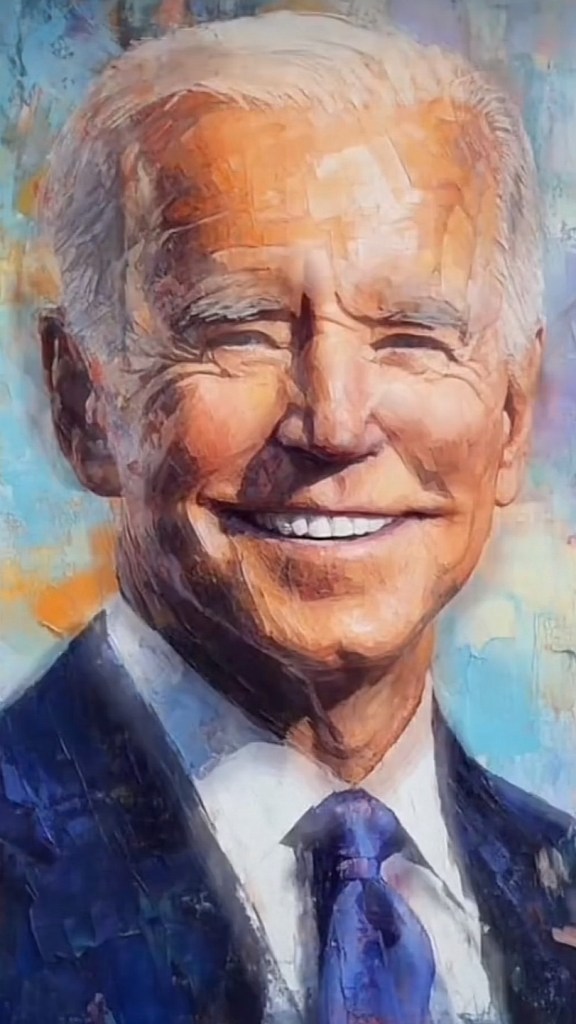
“Bidenomics,” a portmanteau of “Biden” and “economics,” has been strategically adopted by the current U.S. administration to encapsulate President Joe Biden’s economic philosophy. This term describes a set of policies purportedly aimed at fostering economic growth from the “middle out and bottom up,” emphasizing investments in infrastructure, clean energy, and domestic manufacturing. Unlike a general descriptor like “Biden’s economic policies,” “Bidenomics” serves as a branded term, intended to create a distinct and recognizable identity for the administration’s economic agenda.
Similarly, “Trumpism” directly draws from the name of President Donald Trump to describe the political ideology, movement, and set of policies associated with him. Characterized by elements such as right-wing populism, nationalism, protectionism, and an “America First” foreign policy stance, “Trumpism” has become a widely used term to define a particular segment of modern conservative thought and a significant force within the Republican Party. Like “McCarthyism,” “Trumpism” represents an ideology or a set of practices, rather than simply a historical period.
Conclusion: Language as a Lens for Understanding
The linguistic journey from a proper noun to a descriptive adjective, a defining “-ism,” or a coined “-omics” term is more than a mere grammatical exercise. It reflects society’s continuous effort to categorize, understand, and communicate complex ideas, historical periods, and political ideologies succinctly. For graphic artists, designers, and bloggers like us, who constantly engage with and interpret visual and textual narratives, recognizing these linguistic transformations provides a deeper appreciation for the nuanced ways in which language shapes our perception of history, politics, and culture. It underscores the power of words to not only reflect reality but also to actively construct and brand it.
Discover more from America The Beautiful
Subscribe to get the latest posts sent to your email.
