
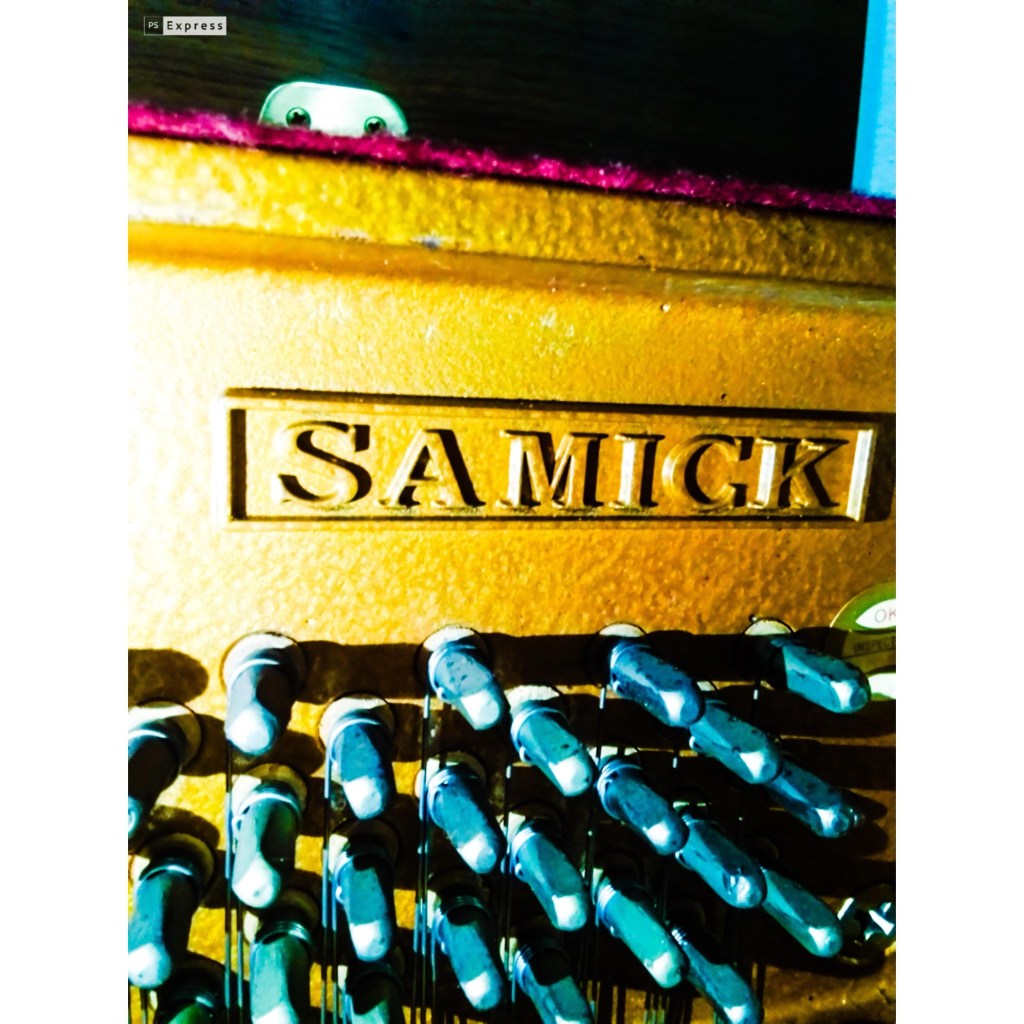
For over four decades, the vast, echoing halls of classical music have been my sanctuary, my classroom, and my constant companion. What began as a childhood fascination blossomed into a lifelong dedication, a relentless exploration of the monumental works crafted by the masters. Many know me as a blogger, but perhaps fewer know that my deepest poetry isn’t written with words, but painted with my fingers across the eighty-eight keys of a piano – a magnificent, 600-pound behemoth of wood and metal, an instrument that truly acts as a harp, plucking the very strings of the Muses.
My mornings begin bathed in the sounds of this grand instrument, a ritual that grounds and inspires me. And in those hours, I am often wrestling with, interpreting, and celebrating the genius of the German and Russian composers. These giants of classical music have always held a special place in my heart, their compositions forming the very bedrock of my musical identity.
A Chrosnology of Genius: My Composers, My Companions
To dive into their work is to embark on a journey through history, through the very evolution of musical thought and emotion. Over 43 years, I’ve had the profound privilege of exploring the complete repertoire of many of my favorites. This isn’t a casual listen; it’s an immersive study, a commitment to understanding every nuance, every intention laid bare on the sheet music.
Consider the clarity and elegance of Johann Sebastian Bach and Joseph Haydn (yes, Haydn, that name that playfully reminds me of a certain President!). Their foundational works are a testament to structure and sublime counterpoint, setting the stage for everything that followed. Then comes the sublime grace of Wolfgang Amadeus Mozart, a child prodigy whose genius brought unparalleled beauty to symphony, concerto, and opera alike. His melodies are etched into the soul of classical music.
Moving into the Romantic era, the sheer power and emotional depth of Ludwig van Beethoven resonate deeply within me. To navigate his piano sonatas or grand orchestral works is to experience the full spectrum of human emotion. Alongside him stands Felix Mendelssohn, whose lyrical brilliance offers a different kind of enchantment, and Franz Liszt, the virtuoso who pushed the boundaries of piano technique and expression. And, of course, the profound complexity and rich harmonies of Johannes Brahms, a composer whose works demand both intellect and heart.
But my passion extends eastward to the Russian masters. The unparalleled lyricism and dramatic grandeur of Pyotr Ilyich Tchaikovsky are simply captivating, whether in his ballets, symphonies, or concertos. And then there is my all-time favorite, Sergei Rachmaninoff. His piano concertos, particularly, are a world unto themselves – lush, intensely emotional, and technically awe-inspiring. To play Rachmaninoff is to embrace a soundscape of longing, passion, and immense beauty.
The Art of Interpretation: Staying True, Always Growing
In classical music, the utmost respect is paid to the composer’s original intent. One doesn’t simply “play” Mozart; one strives to embody the very spirit he meticulously transcribed onto paper. It’s a sacred trust, a discipline that demands both fidelity and an ever-deepening understanding. My own approach has always been to adhere to the score as closely as possible, ensuring that every note, every dynamic marking, every phrase contributes to the composer’s vision.
And yet, within this adherence lies a beautiful paradox: “I play them slightly different because I get slightly better every single time.” This isn’t about changing the masterpiece; it’s about refining my touch, enhancing my agility, and deepening my emotional connection with each practice session. Just like a bodybuilder constantly returns to foundational exercises to strengthen their core, I continually engage with the Hannon exercises for pianists. These basic drills are the scales, the arpeggios, the technical backbone that empower a pianist to execute with precision and artistry, ensuring that the hands can always follow where the heart and mind lead.
From Interpretation to Creation: My Own Notes
Beyond the celebrated works of these masters, I also explore my own musical voice. Yes, I have composed my own short piano pieces. While they are humble in comparison to the behemoths of the past, they are my unique expressions, my attempts to add new sounds to the vast, ongoing conversation of music. And in these original pieces, I allow myself the freedom to improvise, to explore new harmonies and melodies in the moment, a spontaneous dance with the keys.
This duality – the disciplined interpreter of classical masterpieces and the free-spirited creator of my own melodies – defines my relationship with the piano. It is a relationship built on deep knowledge, endless practice, and an unyielding love for the universal language of music in all its forms: from the intimate solo piano pieces to the grandeur of orchestral works and the dramatic narratives of opera.
Thank you for allowing me to share a glimpse into this profound part of my life. The music truly never ends.

Discover more from America The Beautiful
Subscribe to get the latest posts sent to your email.
