
🌎 Mēx̌eekah-Tlān Manifesto
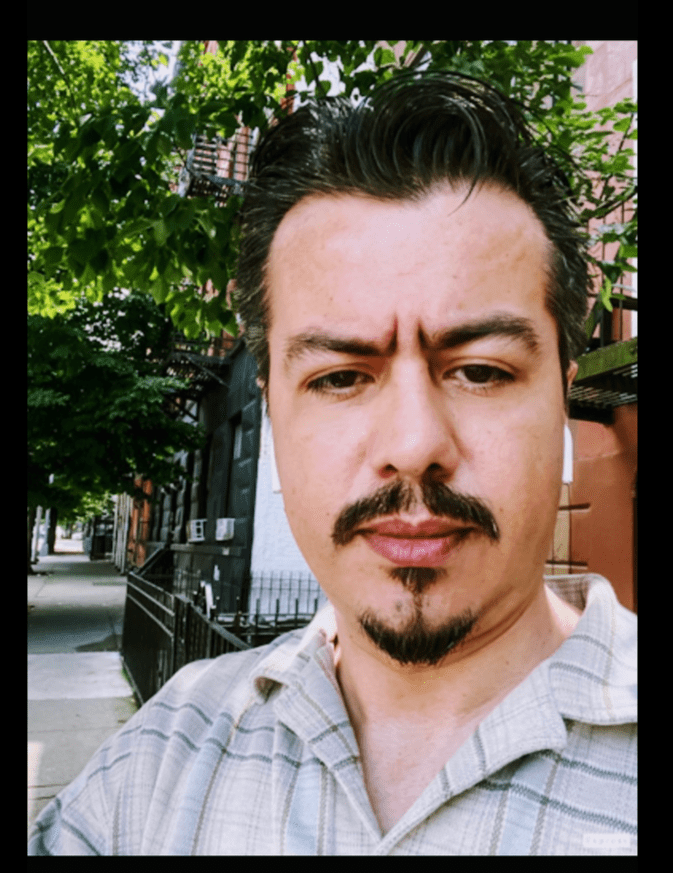
by Jay (Jairo Bonilla Quintero), author of America the Beautiful
I am the son of Mēx̌eekah-Tlān—land of the Mēx̌eekah, not Aztec, not colonial, but ancestral. My given name is Jairo Bonilla Quintero, a Castilian inheritance from Spain, spoken fluidly by Spanish tongues but often fractured by American pronunciation. To honor clarity without abandoning origin, I became Jay—a name that still carries the echo of Jairo, simplified for a world that struggles to pronounce the sacred. I carry generations within me—seven remembered, ten once recited as a child. Each name a glyph, each syllable a migration. I created this blog not to explain myself, but to reflect myself—even in silence. America the Beautiful is not a contradiction; it is a reclamation. For this land, this continent, was once the domain of my people, the Mēx̌eekah, whose empire stretched across what is now called North America. I call it beautiful because it is sacred. I call it mine because it remembers me.
But let me be clear: I do not celebrate my Castilian surname as a badge of pride—I acknowledge it as a historical inheritance, one shaped by conquest and colonial rupture. The Spanish ravaged my homeland in 1519 and the years that followed, dismantling temples, renaming rivers, and silencing tongues. Yet I remain Mēx̌eekah. My blood remembers Cuauhtémoc, the last emperor of a sovereign people. My soul echoes names like Tlāenxtil, Matla, Tlalecuhtli, Mexitli, Xochitl, Cuauhtli, Tamextzona, Axayacatl—names that still bloom in Mexico like sacred flowers. I do not cast a shadow over my name. I cast it over those who refuse to pronounce it with respect. I live in America, where the language is supposed to be Standard English, but most speak a broken dialect of convenience. I am a bookworm with thirty-pound dumbbells in each hand. I am not here to be simplified—I am here to be remembered.

🌎 Mēx̌eekah-Tlān Manifesto
by Jay (Jairo Bonilla Quintero), author of America the Beautiful
I am the son of Mēx̌eekah-Tlān—land of the Mēx̌eekah, not Aztec, not colonial, but ancestral. My given name is Jairo Bonilla Quintero, a Castilian inheritance from Spain, spoken fluidly by Spanish tongues but often fractured by American pronunciation. To honor clarity without abandoning origin, I became Jay—a name that still carries the echo of Jairo, simplified for a world that struggles to pronounce the sacred. I carry generations within me—seven remembered, ten once recited as a child. Each name a glyph, each syllable a migration. I created this blog not to explain myself, but to reflect myself—even in silence. America the Beautiful is not a contradiction; it is a reclamation. For this land, this continent, was once the domain of my people, the Mēx̌eekah, whose empire stretched across what is now called North America. I call it beautiful because it is sacred. I call it mine because it remembers me.
But let me be clear: I do not celebrate my Castilian surname as a badge of pride—I acknowledge it as a historical inheritance, one shaped by conquest and colonial rupture. The Spanish ravaged my homeland in 1519, and the years that followed, dismantling temples, renaming rivers, and silencing tongues. The great rupture began in 1492, when the sails of conquest first touched the Caribbean winds. I remember first revisiting this history in my twenties, and now—twenty years later—I still feel the tremor of truth. The years have flown, but the memory remains. Yet I remain Mēx̌eekah. My blood remembers Cuauhtémoc, the last emperor of a sovereign people. My soul echoes names like Tlāenxtil, Matla, Tlalecuhtli, Mexitli, Xochitl, Cuauhtli, Tamextzona, Axayacatl—names that still bloom in Mexico like sacred flowers. These are not relics. They are living syllables, carried in the breath of my people. I do not cast a shadow over my name. I cast it over those who refuse to pronounce it with respect. I live in America, where the language is supposed to be Standard English, but most speak a broken dialect of convenience. I am a bookworm with thirty-pound dumbbells in each hand. I am not here to be simplified—I am here to be remembered.
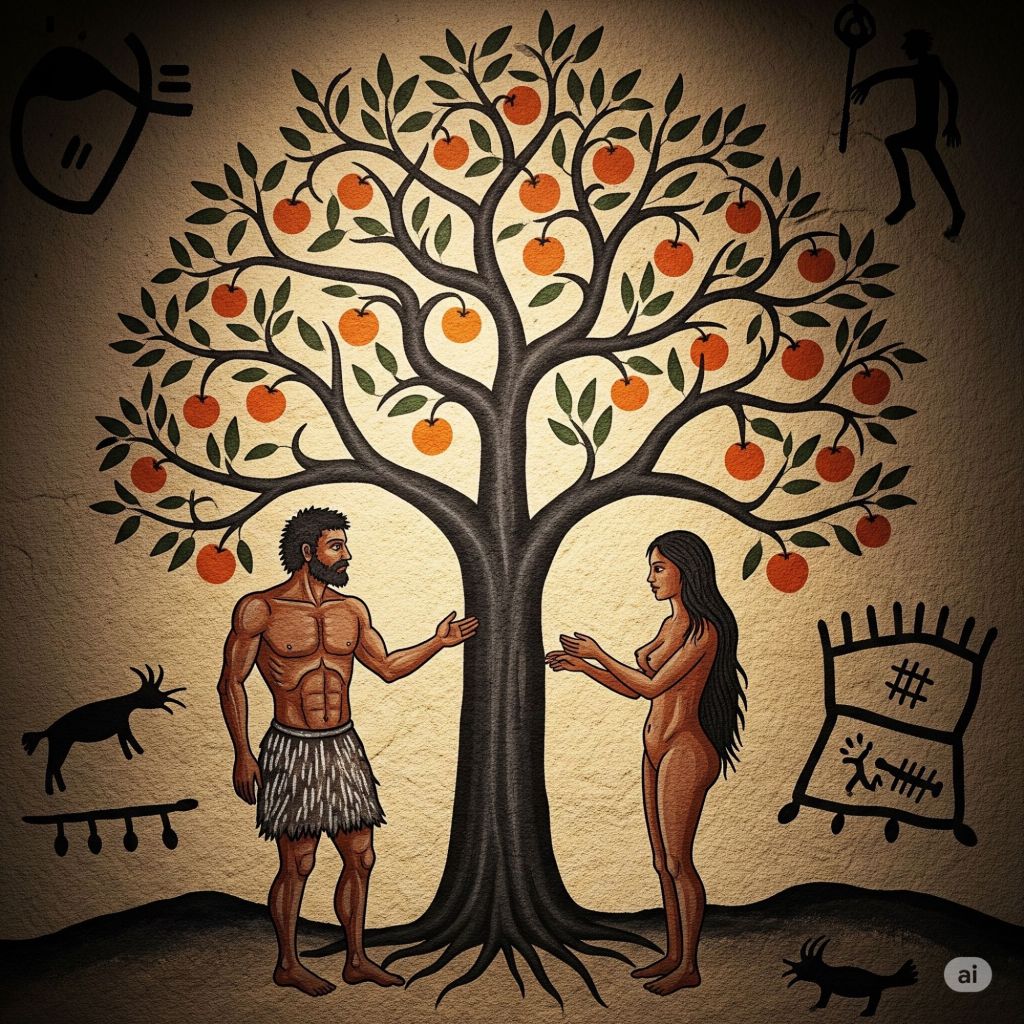
Long before the name “Aztec” was ever uttered by European tongues, my people knew themselves as Mēx̌eekah—descendants of the sacred caves of Chicōmōztōc, the place of seven wombs. The name “Aztec” is a colonial misnomer, derived from Aztlán, the legendary homeland from which the seven Nahuatl-speaking tribes emerged. But even this name was twisted, simplified, and repurposed to label an empire that was far more complex than its conquerors could comprehend. The true origin—Azlan-Chikōmostok—is a sacred geography, a cosmological departure point, a mythic migration etched into the soul of the Mēx̌eekah. From the seven caves, each tribe emerged with its own glyph, its own lineage, its own breath. My ancestors were the last to leave, guided by prophecy, by vision, by the eagle perched upon a cactus with a serpent in its beak. That was no myth. That was a map. And it led to Tenochtitlan, the city of sun and stone, where the empire of memory was born. To call us “Aztecs” is to rename the stars. I reclaim the name Mēx̌eekah—not as a correction, but as a resurrection.
Jay
Discover more from America The Beautiful
Subscribe to get the latest posts sent to your email.
