The Dual Front: Bridging Grassroots Resistance and Congressional Resolve for Democracy’s Future (By–Jay)

As an activist, journalist, and passionate advocate for the humanities, I often find myself reflecting on the intricate dance between the profound moral urgencies felt on the ground and the sometimes-slow, often-frustrating machinations of our political system. Here at NYC Falcon 2025, we live at this intersection daily. We’ve built this community precisely because democracy, like any living entity, demands constant vigilance, active participation, and a willingness to fight for its survival.

Today, I want to connect two seemingly disparate but profoundly intertwined fronts in our ongoing struggle: the fervent, urgent demands of grassroots movements for accountability, and the strategic, long-game preparations within our congressional Democratic leadership.

The Unyielding Cry from the Ground: “Ice Watch” and the Demand for Accountability

Walk through our neighborhoods, engage with our communities, and you’ll immediately sense a palpable tension. There’s a widespread feeling of being under siege, a deep-seated animosity for “ice”, not just as a substance, but as a symbol of policies that feel draconian and inhumane. Our collective “curling irons are ready to melt ice” – this isn’t just a metaphor; it’s the raw expression of communities organizing, watching, and acting to protect their own.

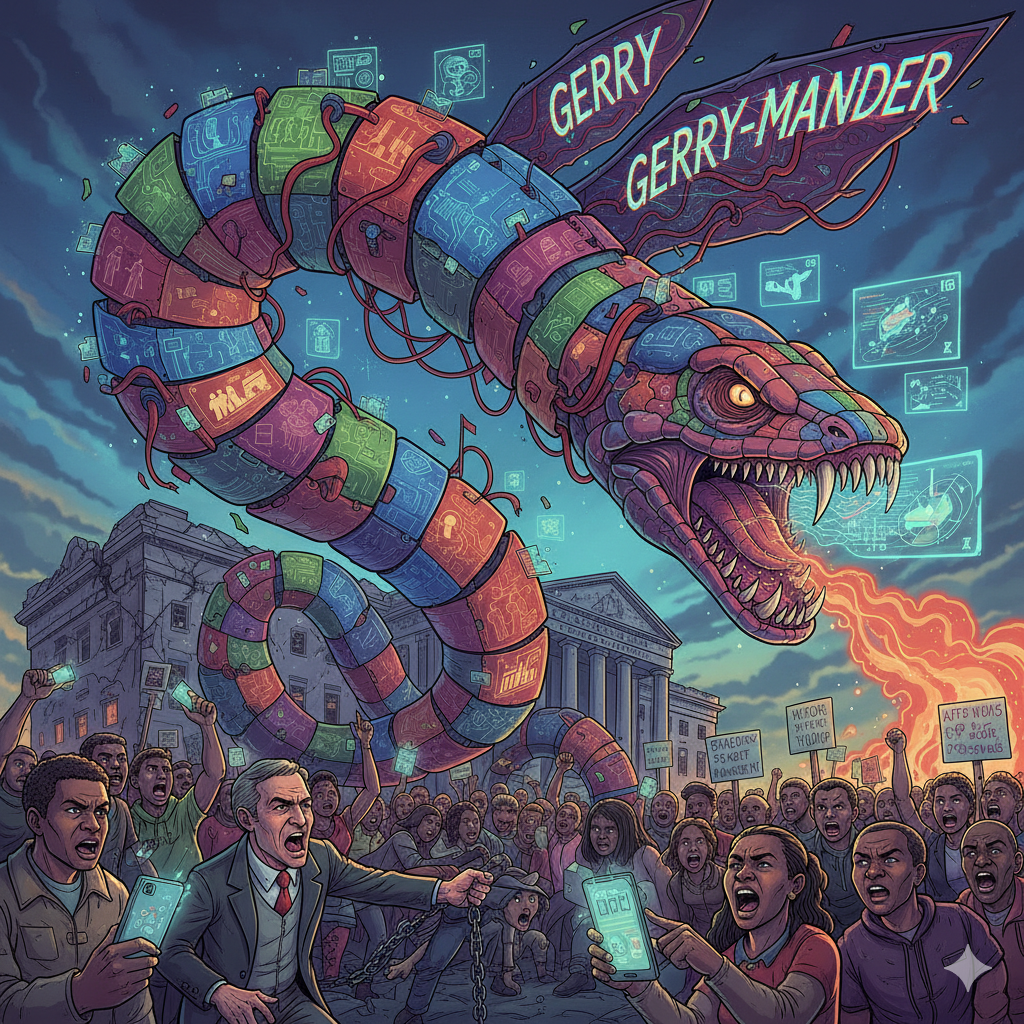
These grassroots efforts, often spontaneous yet increasingly organized, are the beating heart of our democratic resistance. They are the daily reaffirmation that despite the official narrative, people are hurting, people are fighting back, and people are demanding a return to justice and compassion. It’s a powerful, undeniable chorus for change, a demand for the removal of what many see as the “evil salamander” threatening the very foundations of our republic.

Congressional Resolve: The Strategic Long Game and Hakeem Jeffries

Simultaneously, within the hallowed halls of Congress, a different kind of resistance is being meticulously planned. While the current political landscape, with the opposition controlling the House of Representatives, has often left Democrats unable to halt the barrage of what feels like “madness coming out of the White House since 2025,” there is a clear strategic vision taking shape.

The focus is squarely on Hakeem Jeffries and the Democratic leadership. There’s a widely held expectation, a calculated hope, that once the political tides turn – specifically, with the upcoming November elections, approximately 400-odd days away – the path will be cleared. The intent? To, for the third time, seriously consider and potentially enact articles of impeachment to remove this administration.

This isn’t about blind optimism; it’s about a clear-eyed understanding of constitutional process and the power of a unified legislative body to act when the moment is right. It’s the long game, played with patience and strategic foresight, driven by the same fundamental belief in democracy that fuels our grassroots.

Bridging the Gap: Controlled Rage and Meaningful Organization

So, how do we, the passionate voices on the ground, connect with the deliberate, strategic moves within Congress? The answer lies in our unwavering commitment to controlled rage manifested through peaceful protest and meaningful organization.

Our collective energy, our frustration, and our fervent desire for a democratic future must be channeled. It means showing up, speaking out, supporting those on the front lines, and making our voices heard in every possible forum. It means building the public consensus that will empower leaders like Hakeem Jeffries to act decisively when the time comes. The energy we generate at the grassroots provides the essential mandate for action in Washington.

Join the Countdown: Democracy’s Ticking Clock

The stakes are incredibly high, and the clock is ticking. Every day brings us closer to a pivotal moment for our nation. To underscore this urgency and to keep our collective eye on the horizon, I’ve created a special online timer. It’s a visual reminder of the days ahead, set against a backdrop of a vast, beautiful universe – a testament to the immense scale of what we’re fighting for.

I invite you to visit my personalized timer ticker website [(See the Days Tick By: Our Call to Action

Don’t just read about the future—watch the minutes count down to the moment we can truly take the reins back.

CLICK HERE TO VIEW THE NYC FALCON 2025 DEMOCRACY COUNTDOWN

(Link: https://www.tickcounter.com/countdown/8152311/countdown-to-us-midterm-elections-2026)

This isn’t just about waiting; it’s about preparing. It’s about organizing. It’s about ensuring that when the opportunity arises, both the people and their representatives are ready to secure democracy’s future.

Let’s continue to be the Falcons, soaring above the noise, clear-eyed and determined.
Let this countdown fuel your spirit, remind you of the future we are building, and inspire your continued activism.

This isn’t just about waiting; it’s about preparing. It’s about organizing. It’s about ensuring that when the opportunity arises, both the people and their representatives are ready to secure democracy’s future.

Let’s continue to be the Falcons, soaring above the noise, clear-eyed and determined.
Wednesday, September 24th, 2025


📜 Finalized English Version
The Price of a Promise
By JayScrollsOfResistance

I. Origin of the Term: Gerrymandering
The term gerrymandering fuses the name of Massachusetts Governor Elbridge Gerry with a mythical salamander. In 1812, Gerry signed a redistricting plan designed to favor his party. One district in Essex County was so distorted that a cartoonist from the Boston Gazette, Elkanah Tisdale, drew it as a salamander. Thus, “Gerry” + “salamander” became gerrymander—a word born from satire and outrage.

II. Historical Context
Though coined in 1812, the manipulation of voting districts predates the term. In England, “rotten boroughs” gave disproportionate power to depopulated areas. In the U.S., politicians have redrawn maps to their advantage since the republic’s founding. Gerrymandering is not a glitch—it’s a feature. A name for an ancient tactic of exclusion.


III. Systemic Parallels
Are you struggling to pay the mortgage? Are bills piling up? Are medical expenses denied despite coverage? The system isn’t broken—it’s working exactly as designed. It’s built to deny, to delay, to disenfranchise.

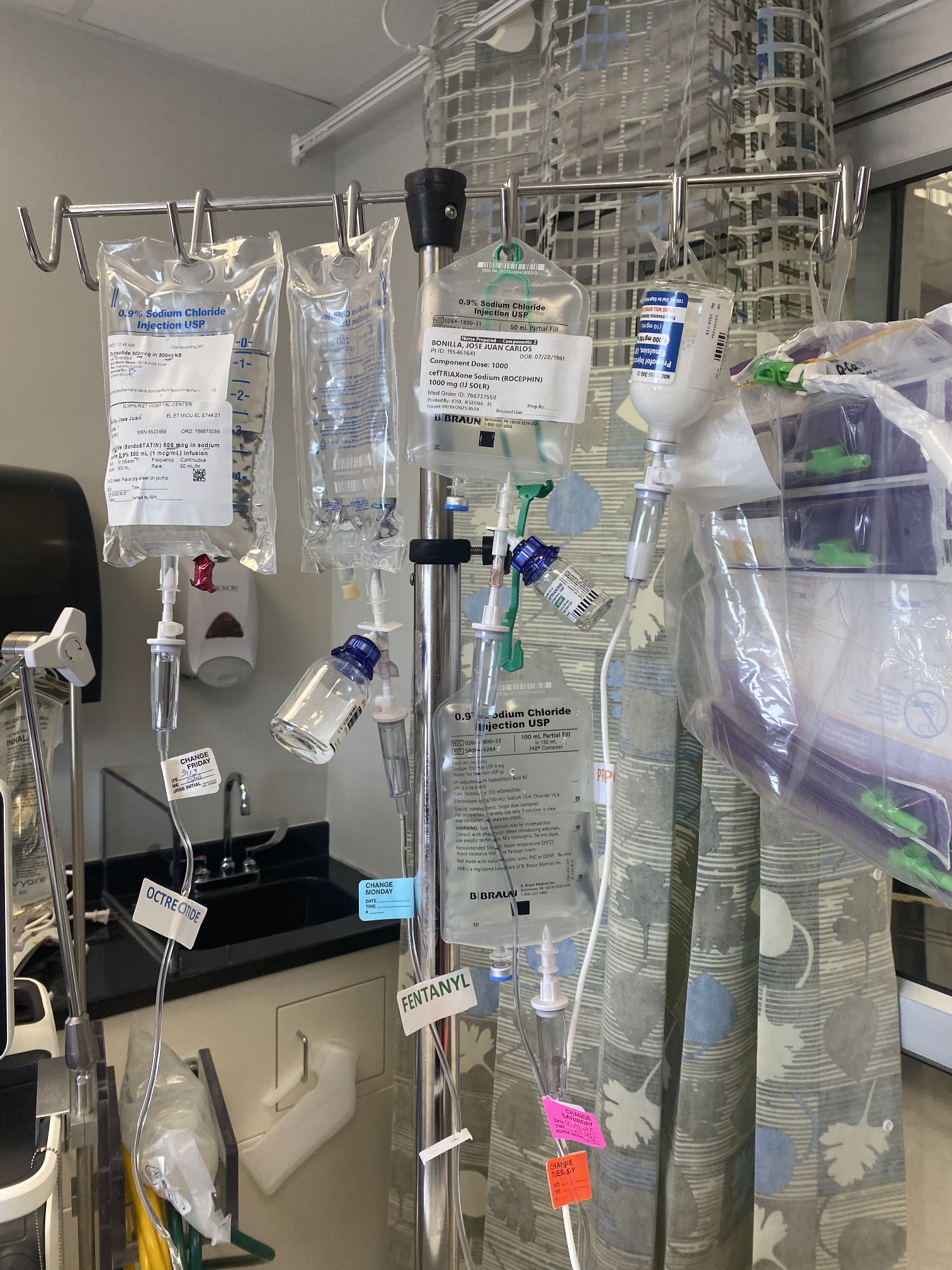
My father is living proof. A man who believed in the American dream, now heartbroken by the betrayal of a lifetime of labor. His illness is real, but the deeper wound is systemic. He gave everything—and the system gave him silence.


IV. Letter to My Sister

Hey sis,
Glad you made it home safely. Hope you’re resting well.
I’ve been thinking a lot about Dad and his progress. It’s so good to see him getting better, but I know what you mean. It’s heartbreaking to see him like this. I don’t think I’ve ever seen him so sad, so disenfranchised. After everything he’s given—all his hard work—it’s a tough pill to swallow.
I’ve known since my 20s that the American dream can feel like a nightmare, and it’s sad to see him come to that realization now.
But we are here for him. He’s a fighter, and we’ll get him through this.
Talk to you in the morning.
Sleep tight.
Love,
Jay


🌍 Spanish Translation
El Precio de una Promesa
Por JayScrollsOfResistance

I. Origen del Término: Gerrymandering
El término gerrymandering combina el nombre del gobernador de Massachusetts, Elbridge Gerry, con una salamandra mitológica. En 1812, Gerry firmó un plan de redistribución de distritos para favorecer a su partido. Un distrito en el condado de Essex era tan distorsionado que un caricaturista del Boston Gazette, Elkanah Tisdale, lo dibujó como una salamandra. Así nació “Gerry” + “salamander” = gerrymander.

II. Contexto Histórico
Aunque el término nació en 1812, la manipulación de distritos electorales es mucho más antigua. En Inglaterra, los “rotten boroughs” daban poder desproporcionado a zonas despobladas. En EE.UU., los políticos han redibujado mapas desde los inicios de la república. El gerrymandering no es un error—es una estrategia. Un nombre para una táctica ancestral de exclusión.


III. Paralelos Sistémicos
¿Tienes problemas para pagar la hipoteca? ¿Las cuentas se acumulan? ¿Te niegan gastos médicos aunque estén cubiertos? El sistema no está roto—funciona tal como fue diseñado. Está hecho para negar, retrasar y excluir.

Mi padre es prueba viviente. Un hombre que creyó en el sueño americano, ahora con el corazón roto por la traición de toda una vida de trabajo. Su enfermedad es real, pero la herida más profunda es sistémica. Dio todo—y el sistema le dio silencio.


🇵🇱 Polish Translation
Cena Obietnicy
Autor: JayScrollsOfResistance

I. Pochodzenie Terminu: Gerrymandering
Termin gerrymandering łączy nazwisko gubernatora Massachusetts, Elbridge’a Gerry’ego, z mitycznym salamandrem. W 1812 roku Gerry podpisał plan redystrybucji okręgów wyborczych, aby wesprzeć swoją partię. Jeden z okręgów był tak zniekształcony, że rysownik z Boston Gazette, Elkanah Tisdale, narysował go jako salamandra. Tak powstało “Gerry” + “salamander” = gerrymander.

II. Kontekst Historyczny
Choć termin powstał w 1812 roku, manipulacja okręgami wyborczymi jest znacznie starsza. W Anglii “zgniłe okręgi” dawały nieproporcjonalną władzę wyludnionym obszarom. W USA politycy od początku republiki rysowali mapy na swoją korzyść. Gerrymandering to nie błąd—to strategia. Nazwa dla starożytnej taktyki wykluczenia.


III. Systemowe Paralele
Masz problemy ze spłatą kredytu hipotecznego? Rachunki się piętrzą? Odmówiono ci pokrycia kosztów leczenia mimo ubezpieczenia? System nie jest zepsuty—działa dokładnie tak, jak został zaprojektowany. Został stworzony, by odmawiać, opóźniać i wykluczać.

Mój ojciec jest żywym dowodem. Człowiek, który wierzył w amerykański sen, teraz ma złamane serce przez zdradę całego życia pracy. Jego choroba jest prawdziwa, ale głębsza rana jest systemowa. Dał wszystko—a system dał mu ciszę.


“Ta historia jest również dla Ciebie. Dziękuję za opiekę nad naszym ojcem. Prawda nie zna granic.”
(This story is also for you. Thank you for caring for our father. Truth knows no borders.)

Tuesday, September 23, 2025


The Price of a Promise


My dad, like so many others, has worked his entire life. He’s a man who believed in the promise of the American dream—that if you work hard, play by the rules, and contribute to the system, the system will, in turn, protect you. But right now, we’re seeing how fragile that promise can be.


He’s not just heartbroken because of his condition; his pain is compounded by the disenfranchisement he’s experiencing. After an on-the-job injury, the very system designed to protect him—worker’s compensation—is failing to cover his damages. It’s an insult added to an injury, a betrayal of a lifetime of labor. This isn’t just about a denied claim; it’s about the emotional toll of realizing the safety net you’ve always trusted isn’t there when you need it most.


This experience, while distinct from issues like gerrymandering, shares a similar core pathology. Both are systems that are fundamentally rigged. Gerrymandering is a political sleight of hand that manipulates voting districts to ensure specific outcomes, effectively disenfranchising voters by making their ballots less impactful. Similarly, a bureaucratic system that promises to care for injured workers but then denies them the benefits they’ve earned is a different kind of manipulation. It’s a systemic failure that disenfranchises workers, leaving them to navigate a hostile landscape alone.


My dad’s heartbreak is a direct symptom of this broken system. It’s the profound sadness that comes from a life’s work being devalued. While we fight to get him the medical coverage and care he deserves, this experience has made one thing crystal clear: the system isn’t broken; it’s working exactly as it was designed—to benefit some at the expense of others. My father’s heartbreak is a testament to this painful reality.