History, Health, expolitics, science, art, music, nature word events, news
Author: Mesheekatlan
Jay B. | Documenting Life Through Lens, Lyric, and Sacred Logic. The Bio: I am a documentarian of the human experience and a trilingual creator speaking English, Spanish, and Music. Based in NYC, my work is a fusion of disciplines: from the analytical eye of a street photographer to the intricate compositions of a musician. As a visual artist, I specialize in Sacred Geometry. My process is a discipline of mind and body; using a specialized yoga meditation technique to slow my heartbeat, I achieve the physiological stillness required to render perfect lines and concentric circles entirely by hand, without the aid of a compass. My philosophy is simple: discipline overrules hesitancy. Whether I am documenting the shifting 2026 economic landscape or coaching the next generation of creators as an Official TikTok LIVE Music Coach, I believe in keeping the scorecard with artistic integrity. My Digital Art Studio is a laboratory for visual and sonic storytelling—a place where raw NYC energy meets the precision of a meditative soul.
Janis, NYC Community Connector, opened the summit with a welcome and role declaration. She introduced the summit’s goals and outlined the roles of each participant.
– Cultural milestones (anniversaries, inventions, global events)
– Local traditions (some doodles appear only in specific countries)
The very first Doodle appeared in 1998, when Google’s founders added a stick figure behind the second “O” to signal they were attending the Burning Man festival. Since then, Doodles have evolved into animated, interactive, and even playable experiences—like the Pac-Man game in 2010.
🖼️ Is there an archive?
Yes! Google maintains a full historical archive at google.com/doodles. It’s a living museum of over 5,000 Doodles, showcasing global creativity and cultural reverence. You can browse by year, theme, or country—and even discover Doodles you may have missed because they were region-specific.
🎨 Do others reimagine them?
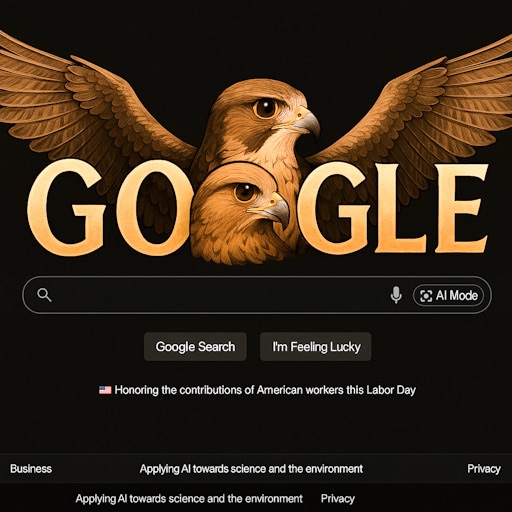
🦅 Falconrise 2025: A Tribute to Labor, Legacy, and Flight
A reimagined Google Doodle featuring a regal falcon head and outstretched wings enveloping the logo. Created on September 1, 2025, to honor American workers and elevate the spirit of digital ritualism.
🛠️ Honoring the Workers, Elevating the Wings
On this Labor Day, we reframe the fleeting homepage into a monument of flight. The falcon—symbol of vigilance, precision, and ancestral pride—takes its place in the second “O” of GOOGLE, reminding us that every search is a ritual, every click a ceremony.
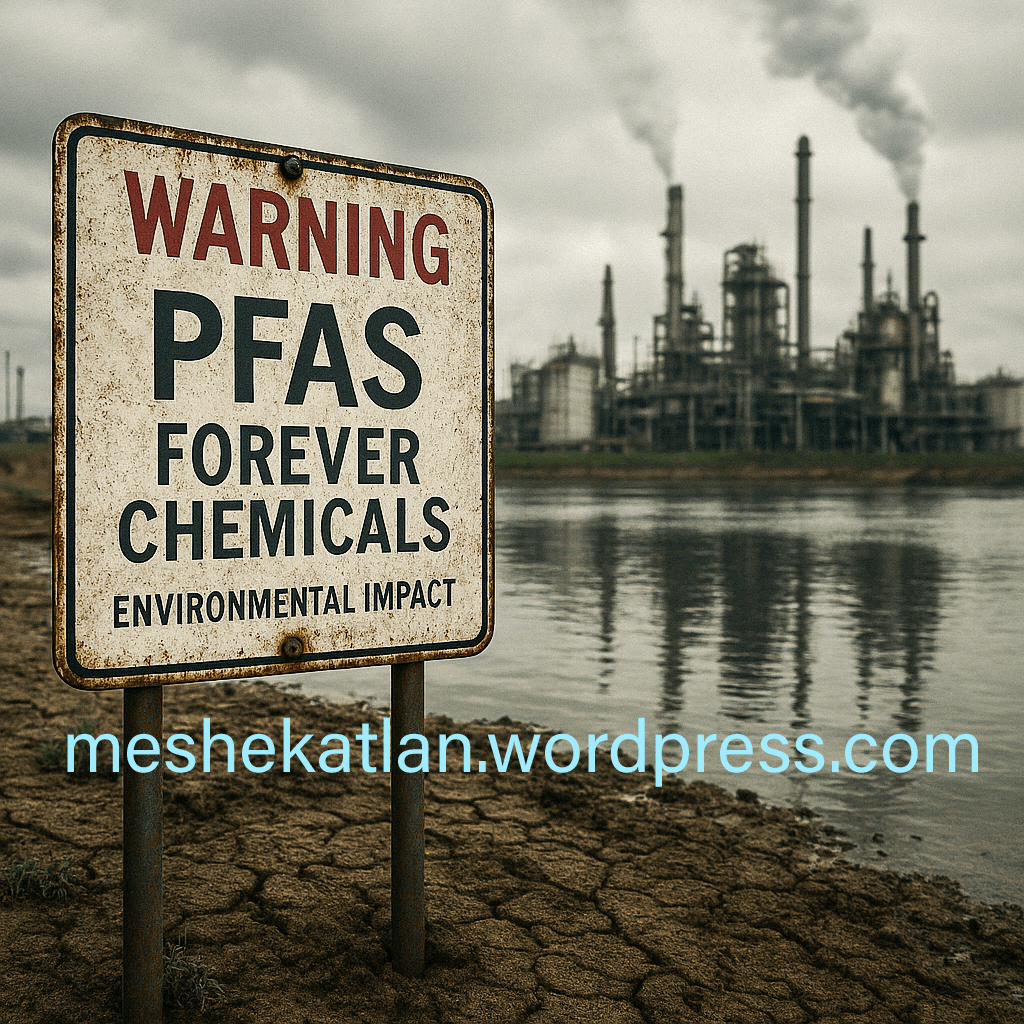
A Critical Analysis of Forever Chemicals, Historical Origins, and Remediation Challenges
Per- and polyfluoroalkyl substances (PFAS), often referred to as “forever chemicals,” represent one of the most persistent and complex environmental challenges of our time. This post offers a critical overview of PFAS, tracing their historical origins, industrial applications, environmental consequences, and the evolving efforts to detect and remediate their impact—particularly through the lens of New Jersey’s regulatory leadership.
1. Introduction: Unpacking the “Forever Chemicals”
PFAS are synthetic organofluorine compounds defined by their highly stable carbon-fluorine bonds. This stability makes them resistant to degradation, earning them the nickname “forever chemicals.” While initially perceived as chemically inert, PFAS have since been linked to serious environmental and health concerns.
What Are PFAS?
Structure: Fluorinated alkyl chains with hydrophobic and hydrophilic ends.
Diversity: Over 14,000 compounds cataloged by the EPA.
Key Examples: PFOS and PFOA (C8 compounds), widely studied for their toxicity and persistence.
2. Historical Context: From Manhattan Project to Microwave Popcorn
PFAS entered industrial use in the 1940s, with early development linked to wartime research. Their unique properties—water repellency, heat resistance, and chemical stability—made them ideal for a wide range of applications.
The widespread adoption of PFAS reflects a troubling paradox: the same traits that make them useful also make them nearly impossible to eliminate from the environment.
3. Environmental Impact: Persistence, Bioaccumulation, and Global Spread
PFAS are now found in soil, water, air, and even Arctic ice. They bioaccumulate in living organisms and resist natural degradation processes.
Key Concerns:
Health Risks: Linked to thyroid issues, immune dysfunction, developmental delays, and cancer.
Global Reach: Detected in wildlife, remote ecosystems, and human bloodstreams.
Regulatory Lag: Many PFAS remain unregulated or poorly understood.
4. New Jersey: A Case Study in PFAS Accountability
New Jersey’s industrial legacy includes significant PFAS production, particularly by DuPont and Solvay. Today, the state leads in regulation and litigation.
Highlights:
Manufacturing History: PFAS production in Gloucester County and other sites.
Legal Action: Multimillion-dollar settlements with polluters.
Public Health Response: Drinking water standards, community engagement, and environmental justice initiatives.
New Jersey’s proactive stance serves as a model for other states grappling with PFAS contamination.
5. Detection and Remediation: Technical and Economic Challenges
Despite growing awareness, PFAS remediation remains difficult and costly.
Detection:
Complex Chemistry: Thousands of variants, many hard to detect.
Emerging Threats: Replacement compounds like GenX pose similar risks.
Remediation Technologies:
Technology Description Limitations Activated Carbon Filtration Adsorbs PFAS from water Less effective for short-chain PFAS Ion Exchange Resins Targets specific PFAS molecules Costly and requires regeneration High-Temperature Incineration Breaks PFAS bonds at >1,000°C Risk of incomplete combustion Electrochemical Treatment Uses electric current to degrade PFAS Still in experimental stages
6. Toward a Multi-Faceted Response
Solving the PFAS crisis requires collaboration across science, policy, and public advocacy.
Recommendations:
Expand Regulation: Broaden PFAS definitions and enforce stricter limits.
Invest in Research: Study environmental fate, health impacts, and alternatives.
Empower Communities: Ensure transparency and access to health resources.
7. Conclusion: A Persistent Challenge, A Call to Action
PFAS are more than a chemical concern—they are a legacy of industrial progress and regulatory oversight. As New Jersey’s experience shows, accountability is possible. But it requires vigilance, innovation, and a commitment to environmental justice.
This post is part of an ongoing series exploring environmental resilience, urban storytelling, and the intersection of science and society. For more multimedia insights, follow Jairo Bonilla (Jay) at Meshekatlan.wordpress.com.