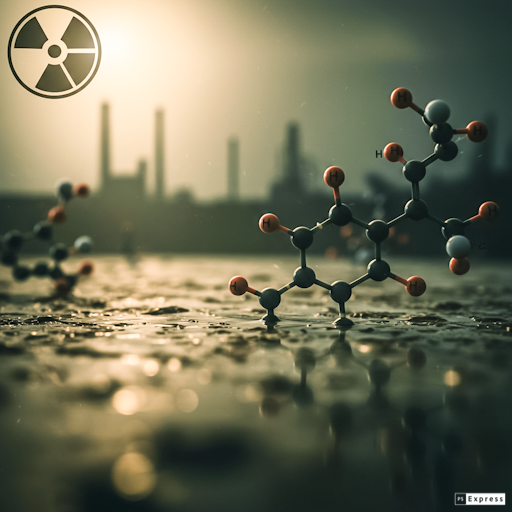
The Enduring Environmental Legacy of PFAS: A Critical Analysis of Forever Chemicals, Historical Origins, and Remediation Challenges
Executive Summary
Per- and polyfluoroalkyl substances (PFAS), widely known as “forever chemicals,” represent a vast and diverse class of synthetic organofluorine compounds. Their defining characteristic is the exceptionally stable carbon-fluorine bond, which, while conferring valuable properties for industrial and consumer applications, also ensures their extreme persistence in the environment. This report critically examines the environmental factors surrounding PFAS, tracing their surprising historical genesis linked to the Manhattan Project, detailing their pervasive spread and accumulation across ecosystems, and analyzing the significant challenges in their detection, monitoring, and remediation. A particular focus is placed on New Jersey’s role as a historical manufacturing hub for these chemicals and its contemporary leadership in holding polluters accountable through landmark legal settlements. The analysis concludes that the ubiquity, persistence, and documented toxicity of PFAS constitute a profound and enduring environmental challenge, necessitating a multi-faceted approach encompassing stringent regulatory frameworks, advanced remediation technologies, and a deeper understanding of the complex environmental fate of these diverse compounds.
1. Introduction: Unpacking the “Forever Chemicals”
This section establishes a foundational understanding of PFAS, their chemical properties, widespread applications, and the initial perception of their environmental behavior, setting the stage for a critical examination of their long-term impacts.
Defining Per- and Polyfluoroalkyl Substances (PFAS): Chemical Structure, Diversity, and the Basis of their “Permanent” Nature
Per- and polyfluoroalkyl substances (PFAS) are a group of synthetic organofluorine chemical compounds characterized by multiple fluorine atoms attached to an alkyl chain. The precise definition of PFAS can vary across organizations, with estimates of the number of unique chemicals in this group ranging from 8,000 to 7 million. The United States Environmental Protection Agency (EPA) DSSTox database, for instance, lists 14,735 distinct PFAS compounds. Common structural criteria for PFAS often involve at least one fully fluorinated methyl or methylene carbon atom.
The informal moniker “forever chemicals” accurately reflects their remarkable stability, which is primarily attributed to the exceptional strength of the carbon-fluorine bond. This bond is one of the strongest in organic chemistry, rendering PFAS highly resistant to degradation from environmental processes such as heat, light, and microbial action.
Within the broad category of PFAS, fluorinated surfactants, or fluorosurfactants, form a significant subgroup. These compounds possess a hydrophobic fluorinated “tail” and a hydrophilic “head,” enabling them to behave as surfactants and effectively reduce the surface tension of water. Prominent examples include Perfluorooctanesulfonic acid (PFOS) and Perfluorooctanoic acid (PFOA), often referred to as C8. These two compounds are among the most extensively studied and regulated PFAS due to their documented persistence, toxicity, and widespread presence in the environment and human populations.
Historically, PFAS were initially considered chemically inert. Early occupational studies observed elevated levels of fluorochemicals, including PFOS and PFOA, in the blood of industrial workers, yet these studies often cited “no ill health effects”. This early perception of inertness inadvertently contributed to their widespread adoption across various industries without adequate foresight into their long-term environmental and public health consequences.
Historical Context of PFAS Development and their Widespread Industrial and Consumer Applications
PFAS have been integrated into industrial processes and consumer products since the 1940s. Their utility stems from a unique combination of properties, including water and stain repellency, non-stick capabilities, and effectiveness in fire suppression. This versatility led to their incorporation into an extensive array of products and applications.
In consumer goods, PFAS are found in items such as waterproof fabrics (e.g., Nylon, yoga pants), carpets, shampoos, feminine hygiene products, mobile phone screens, wall paints, furniture, adhesives, and food packaging, including grease-resistant paper, fast food containers, microwave popcorn bags, pizza boxes, and candy wrappers. A particularly significant application has been in aqueous film-forming foams (AFFF), used extensively for extinguishing flammable liquid-based fires. Beyond consumer products, PFAS are crucial in industrial processes such as emulsion polymerization for producing fluoropolymers, which are then used in stain repellents, polishes, paints, and various coatings. Their applications also extend to specialized sectors like the aerospace, automotive, construction, and electronics industries.
The widespread adoption of PFAS across such diverse sectors highlights a fundamental paradox: the very chemical stability that made these compounds commercially desirable is precisely what renders them an insidious and enduring environmental and public health threat. This situation underscores a critical lesson in chemical innovation and regulation: prioritizing seemingly “useful” properties without a comprehensive understanding of a substance’s full lifecycle impacts can lead to unforeseen, pervasive, and long-lasting harm.
Furthermore, the sheer diversity and evolving nature of PFAS compounds present a continuous regulatory and scientific challenge. With thousands of identified compounds and new ones constantly being developed and identified, comprehensive detection and identification become inherently difficult. Regulatory agencies have historically focused on a limited number of well-studied compounds, such as PFOA and PFOS. However, as these “legacy” PFAS are phased out, newer generation replacement PFAS are introduced, many of which remain largely uncharacterized regarding their bioaccumulation potential and toxicity. This creates a perpetual “whack-a-mole” scenario, where regulating individual compounds is an insufficient strategy. This dynamic suggests an urgent need for broader, class-based regulatory approaches, rather than compound-specific ones, coupled with significant investment in characterizing the environmental and health impacts of the entire PFAS class.
Table 1: Key PFAS Compounds and Their Environmental Characteristics
| Common Name | Chemical Class | Common Uses | Key Environmental Characteristic | Health Concerns (Brief) | Relevant Snippet IDs |
|—|—|—|—|—|—|
| PFOA | Perfluorocarboxylic Acid | Non-stick cookware (Teflon), food packaging, stain repellents | Highly persistent, bioaccumulative, widespread occurrence | Cancers (kidney, testicular), thyroid disease, ulcerative colitis, decreased fertility, hypertensive disorders in pregnancy | |
| PFOS | Perfluorosulfonic Acid | Firefighting foam (AFFF), stain repellents (Scotchgard), polishes | Highly persistent, bioaccumulative, widespread occurrence | Increased cholesterol, decreased immunity, thyroid disease, cancers | |
| PFNA | Perfluorocarboxylic Acid | Various industrial and consumer products | Persistent, bioaccumulative | Regulatory concern due to persistence, toxicity, occurrence | |
2. Environmental Fate and Transport of PFAS: A Critical Examination
This section delves into the mechanisms by which PFAS are released into and move through the environment, emphasizing their unique persistence and widespread distribution.
Sources of PFAS Release: Industrial Discharges, Firefighting Foams (AFFF), Consumer Products, and Waste Streams
PFAS enter the environment through a variety of pathways, primarily stemming from their production, use, and disposal. Industrial facilities are significant point sources, releasing PFAS through wastewater and stormwater discharges, on- and off-site disposal of solid wastes, accidental leaks and spills, and stack and fugitive emissions. Specific industrial activities contributing to these releases include chrome plating, electronics manufacturing, and certain textile and paper production processes.
Aqueous film-forming foams (AFFF), used to extinguish flammable liquid-based fires, represent another major source of environmental PFAS contamination. These foams are widely employed in fire training exercises and emergency responses at critical locations such as airports, shipyards, military bases, firefighting training facilities, chemical plants, and refineries. Releases from AFFF sites can also introduce co-contaminants like solvents and petroleum products into the environment.
Beyond industrial and specialized uses, consumer products are a pervasive source of PFAS release. These chemicals can leach from items designed for stain and water repellency, such as carpets, upholstery, and clothing, as well as from cleaning products, non-stick cookware, paints, and various personal care products. Food packaging, including grease-resistant paper, fast food containers, and wrappers, also contributes to environmental PFAS loads.
Finally, waste streams and biosolids play a role in the environmental dissemination of PFAS. Landfills and other disposal sites are known sources of contamination. Additionally, biosolids, which are nutrient-rich organic materials derived from wastewater treatment plants and often used as fertilizer on agricultural lands, can contain PFAS, leading to the contamination of ground and surface water and affecting animals grazing on these lands.
Pathways of Environmental Migration: Movement through Water (Groundwater, Surface Water, Drinking Water), Soil, and Air
Once released, PFAS exhibit remarkable mobility, enabling their widespread migration through various environmental compartments. In aquatic systems, PFAS can readily reach groundwater and surface waters, including lakes and rivers, through spills, improper disposal, or by moving through permeable ground surfaces. This contamination can directly impact public and private drinking water systems. Oceans can also absorb airborne PFAS, further contributing to their global distribution.
Soil contamination occurs when PFAS leach from landfills, are applied via AFFF, or are deposited by contaminated rainwater soaking into the ground. From the soil, these chemicals can then migrate into water sources. Beyond simple presence, PFAS can also subtly alter the physical properties of soil, affecting its pH balance, decreasing soil respiration, and reducing the number of water-soluble aggregates. They can also impact bacterial diversity, favoring certain types of bacteria while suppressing others, all of which negatively influence overall soil health and, consequently, plant and crop viability.
Airborne PFAS are released through manufacturing processes and from the use of consumer products, particularly those applied indoors like protective sprays and stain-resistant coatings. Air contamination poses a direct inhalation exposure risk. Furthermore, PFAS-laden air can redeposit these chemicals back into water and soil systems through precipitation and dry deposition, creating a continuous cycle of contamination.
Mechanisms of Persistence: The Stability of the Carbon-Fluorine Bond and its Implications for Environmental Longevity
The defining characteristic of PFAS, and the primary reason for their environmental longevity, is the extraordinary stability of the carbon-fluorine bond. This bond is one of the strongest in organic chemistry, making PFAS highly resistant to virtually all known degradation processes, including chemical, biological, and thermal breakdown. Consequently, these compounds “do not break down easily in the environment” and can “remain in the environment for an unknown amount of time”.
While some polyfluorinated substances within the PFAS group can undergo partial degradation, this often results in their transformation into other persistent PFAS, such as perfluoroalkyl acids (PFAAs). This transformation of “precursors” can lead to “unexpected temporal and spatial trends” in PFAS occurrence, complicating monitoring and remediation efforts. The inherent resistance to transformation means that once PFAS are released, they largely remain in their chemical form, circulating within the environment for decades or even centuries.
Beyond their chemical stability, PFAS also exhibit diverse physical and chemical characteristics that influence their environmental mobility and distribution. Factors such as chain length, ionic state (e.g., charge at environmental pH), and functional groups dictate how they partition between different media. For instance, shorter-chain, anionic PFAS tend to be more soluble in water and less prone to retention on solids, allowing for more rapid transport through groundwater. Conversely, fluorosurfactants, a subgroup of PFAS, tend to concentrate at phase interfaces, such as air-water or soil-water boundaries, due to their unique hydrophobic and hydrophilic properties.
Bioaccumulation and Biomagnification: Evidence of PFAS Uptake and Concentration in Organisms Across Food Webs
The persistence and mobility of PFAS lead directly to their accumulation in living organisms, a process known as bioaccumulation. PFAS “build up in people, animals, and the environment over time”. They have been detected in a wide range of biological organisms, including fish, amphibians, mammals, birds, and invertebrates. This accumulation occurs when organisms take in these substances through various routes such as respiration, food intake, or direct skin contact, leading to concentrations within their bodies that are significantly higher than in the surrounding environment.
A critical consequence of bioaccumulation is biomagnification, where PFAS concentrations increase progressively at higher trophic levels within a food web. This means that top predators, including humans, can accumulate significantly higher levels of PFAS by consuming contaminated prey. Studies have revealed the pervasive nature of this exposure, with PFAS detected in the blood of 97% of Americans and in wildlife species on every continent.
Plants play a role in this process, absorbing PFAS through their roots, driven by the hydrophilic functional groups present in ionic PFAS. Once absorbed, these compounds can be transported to various parts of the plant, including fruits, stems, shoots, and leaves. The extent of plant uptake is influenced by specific site conditions, such as soil properties, and the characteristics of the PFAS compounds themselves, with shorter-chain PFAS generally being more readily absorbed due to their higher water solubility.
In wildlife, PFAS are known to accumulate in animals exposed to contamination. Fish, in particular, can be a significant source of exposure for humans who consume them, leading to the issuance of fish consumption advisories in contaminated areas. High levels of PFAS have also been recorded in other wildlife, such as deer, prompting “Do Not Eat” advisories in affected regions.
The constant movement and accumulation of PFAS between environmental compartments—water, soil, and air—mean that contamination is not a localized or single-medium problem but a systemic environmental challenge. For example, contaminated air can redeposit PFAS into water and soil, contaminated soil can leach into groundwater, and contaminated water can affect plants and animals. This dynamic interplay implies that cleaning up one environmental compartment, such as water, does not isolate the problem, as re-contamination can readily occur from other affected compartments. The inherent difficulty and expense of removing PFAS from any single environmental medium—whether through water filtration, soil remediation, or air filtration—further underscore this complexity. This interconnectedness suggests that preventing the release of PFAS into the environment is a far more effective strategy than attempting post-contamination cleanup.
Moreover, while some “legacy” PFAS compounds like PFOA and PFOS have been phased out in the United States due to growing concerns, these chemicals continue to persist in the environment. Simultaneously, new generation replacement PFAS are being introduced, many of which are largely uncharacterized regarding their bioaccumulation potential and toxicity. The sheer number of these new compounds and the inability to comprehensively consider all relevant exposure pathways make their full characterization difficult. This situation creates a continuous, evolving threat: the environmental burden from legacy compounds persists, while the rapid introduction of new, less-studied PFAS compounds creates a significant knowledge gap and the potential for new, unforeseen impacts. This highlights a regulatory loophole where “replacements” might not be safer, perpetuating the cycle of contamination and necessitating proactive, rather than reactive, assessment of all new chemicals.
Table 2: Major PFAS Release Sources and Environmental Pathways
| Source Category | Specific Examples of Release | Environmental Pathway(s) Affected | Relevant Snippet IDs |
|—|—|—|—|
| Industrial Facilities | Wastewater/stormwater discharges, solid waste disposal, leaks/spills, stack/fugitive emissions (e.g., chrome plating, textile manufacturing) | Water, Soil, Air | |
| Firefighting Foam (AFFF) | Use in training/emergency response at airports, military bases, chemical plants | Water, Soil | |
| Consumer Products | Leaching from stain/water-repellent fabrics, non-stick cookware, food packaging, personal care products | Water, Soil, Air | |
| Waste Streams & Biosolids | Landfills, hazardous waste sites, fertilizer from wastewater treatment plants (biosolids) | Water, Soil | |
3. Ecological and Human Health Impacts: The Cost of Persistence
This section details the documented adverse effects of PFAS on wildlife and ecosystems and provides an overview of human health concerns, emphasizing the interconnectedness of environmental and public health.
Documented Impacts on Wildlife and Ecosystems: Examples of Adverse Effects on Aquatic and Terrestrial Organisms
PFAS are ubiquitous, having been detected in wildlife species across every continent. Their ability to accumulate in animals is well-established. While extensive research has focused on human health, significant data gaps persist regarding the full impact of PFAS on ecosystem and wildlife health. Furthermore, predicting the exact level of PFAS in an individual wild animal based solely on environmental concentrations remains challenging.
Specific ecological impacts have been observed across various species:
* Fish: Fish exposed to PFAS in aquatic environments accumulate these chemicals within their bodies, posing a risk to both humans and other wildlife that consume them. High PFAS levels in fish have led to the issuance of fish consumption advisories.
* Deer: Elevated PFAS concentrations have been recorded in deer livers and muscle tissue, prompting “Do Not Eat” advisories in affected areas.
* Crayfish: Studies have indicated altered foraging behavior in crayfish exposed to PFAS.
* Sea Turtles: Reduced hatching rates have been observed in some sea turtle species.
* Alligators: Lower immune responses have been linked to PFAS exposure in alligators.
* Birds: Various bird species have shown lower reproduction rates. Specifically, elevated PFAS levels in tree swallows have been associated with decreased egg hatching success and an increase in total nest failure.
It is important to note that the impacts of PFAS pollution on wildlife are often compounded by other environmental stressors, such as habitat loss. This makes already threatened and endangered species particularly vulnerable to the potential health effects of PFAS.
Overview of Human Exposure Pathways and the Range of Associated Health Concerns
Human exposure to PFAS is widespread, with surveys indicating that most people in the United States have been exposed to some form of these chemicals. Data from the Centers for Disease Control and Prevention (CDC) show that PFAS are present in the blood of 97% of Americans. Exposure levels can vary significantly based on geography and occupation.
The primary pathways for human exposure include:
* Drinking Water: Contaminated public drinking water systems and private wells are significant sources of exposure.
* Food Consumption: Eating certain foods can lead to exposure, including fish caught from contaminated waters, dairy products from livestock exposed to PFAS, or food grown or raised near PFAS-contaminated sites.
* Occupational Exposure: Individuals working in specific occupations, such as firefighting or chemical manufacturing and processing, face higher exposure risks.
* Product Use: Using products made with PFAS or packaged in materials containing them contributes to exposure.
* Ingestion of Contaminated Soil/Dust: Swallowing contaminated soil or dust is another pathway.
* Inhalation: Breathing air containing PFAS, particularly near manufacturing facilities or from indoor consumer products, can lead to exposure.
A critical concern is that PFAS chemicals can accumulate in the human body over time because they break down very slowly, if at all. Current research has revealed possible links between human exposure to certain PFAS and a range of adverse health outcomes, although ongoing research continues to refine this understanding. These health effects include:
* Cancers: Kidney, prostate, and testicular cancers.
* Gastrointestinal Issues: Ulcerative colitis.
* Thyroid Disease: Increased risk of thyroid disease.
* Immune System Effects: Suboptimal antibody response and decreased immunity.
* Reproductive Health: Decreased fertility.
* Pregnancy Complications: Hypertensive disorders in pregnancy, such as pre-eclampsia.
* Metabolic Effects: Increased cholesterol levels.
* Developmental Effects: Lower infant birth weights, though the decrease is typically small and may not significantly affect health.
The “One Health” Perspective: Interconnectedness of Environmental, Animal, and Human Health
The shared exposure pathways between wildlife and humans, primarily through contaminated water and food, underscore the interconnectedness of environmental, animal, and human health. This concept is central to the “One Health” perspective, which recognizes that the health of people is closely connected to the health of animals and our shared environment.
Studies that explore humans as “sentinels” or watchguards for wildlife health have shown that adverse health impacts experienced by people due to PFAS exposure, such as reduced immune system function and decreased reproductive health, are also observed in wildlife populations. For instance, the National Wildlife Federation advocates for a “One Health” approach to address chemical pollution, emphasizing the need to consider the impacts on all life and the intrinsic links between human, wildlife, and ecosystem health. Policies designed to protect communities and their drinking water, recreational, and agricultural resources from PFAS contamination can simultaneously limit exposure and adverse effects on wildlife.
The bioaccumulation of PFAS in organisms, including plants and aquatic life, and their subsequent biomagnification up the food chain, means that higher concentrations are found in top predators, including humans. The consumption of contaminated food sources, such as fish, deer, or crops, becomes a major pathway for human exposure. This creates a direct feedback loop where environmental contamination translates into dietary exposure and subsequent human health risks, even if direct water consumption is minimized. This situation is not merely an ecological problem but a pervasive public health crisis, particularly for communities reliant on local food sources, such as subsistence anglers, whose traditional practices and food security are directly threatened by chemical pollution. This necessitates not only water remediation but also careful monitoring and advisories for food sources, highlighting the long-term, systemic nature of the health threat.
Furthermore, the scale of the PFAS challenge is compounded by significant regulatory lag and persistent data gaps in assessing the full impact of these chemicals. With thousands of PFAS compounds in existence and new ones continuously being developed, our understanding of their effects struggles to keep pace. Research on wildlife impacts remains limited, and accurately predicting PFAS levels in individual wild animals is difficult. Similarly, health benchmarks for airborne PFAS are available for only a few compounds, and the U.S. EPA currently lacks approved sampling methods for ambient air. The newer generation replacement PFAS, in particular, are largely uncharacterized regarding their bioaccumulation potential and toxicity. This means that widespread exposure continues while comprehensive hazard assessments are still underway, creating a substantial “unknown” factor that poses significant public health and ecological risks. This situation underscores the urgent need for a precautionary principle in chemical regulation, prioritizing safety assessments before widespread commercialization.
4. The Genesis of PFAS: From Manhattan Project to Ubiquitous Pollutant
This section critically examines the historical origins of PFAS, revealing the surprising connection to the Manhattan Project and the subsequent industry knowledge of their dangers, which was largely withheld from the public.
The Surprising Link: Fluorine Production for the Manhattan Project and the Early Industrial-Scale Synthesis of PFAS
The origins of industrial-scale fluorine production, a critical precursor to PFAS, are surprisingly intertwined with the Manhattan Project during World War II. The project, focused on developing atomic weapons, required fluorine in the form of uranium hexafluoride for the process of enriching uranium. This urgent wartime necessity spurred the first industrial-scale synthesis of fluorine.
During this period, the demand for materials capable of withstanding the highly corrosive and caustic substances used in uranium enrichment led to significant chemical innovations. One such innovation was the invention of Teflon, a well-known PFAS compound, which proved invaluable for its chemical resistance. Beyond Teflon, the need to manage hexafluoride and other reactive chemicals also fostered the development of a range of coolants, lubricants, and polymers that could be fabricated into gaskets, tubing, and valve packings for specialized applications.
A key technological advancement, electrochemical fluorination (ECF), a method for producing fluorocarbons, was developed in secrecy during the Manhattan Project and only publicly reported in 1949. This classified research laid the groundwork for the post-war commercialization of PFAS.
The Role of Key Manufacturers (e.g., 3M, DuPont) in Commercializing PFAS for Consumer Products
Following World War II, the technology and expertise developed under the Manhattan Project transitioned to the private sector. Minnesota Mining and Manufacturing Company (3M) gained access to ECF technology and commenced the first commercial production of fluorocarbons in 1951. Crucially, 3M also hired chemists who had worked on the Manhattan Project to assist in transforming these chemicals into products suitable for manufacturers and the general public.
This transfer of knowledge and technology led to the rapid expansion of PFAS into consumer markets. Innovations such as 3M’s Scotchgard fabric protector and DuPont’s Teflon non-stick coatings became household names. DuPont, in particular, was historically a major producer of PFAS, largely due to its involvement in Teflon manufacturing. The success of these products ensured that PFAS found their way into thousands of everyday items, becoming ubiquitous in modern society.
Historical Timeline of Industry Knowledge Regarding PFAS Toxicity and Environmental Persistence, and the Implications of Delayed Public Disclosure
A critical examination of historical documents reveals a troubling timeline of industry knowledge regarding the dangers of PFAS, which was largely withheld from the public for decades.
Early Knowledge (1950s-1970s):
* 1950: Studies conducted by 3M showed that PFAS chemicals could build up in the blood of mice and were toxic.
* 1956: Research at Stanford University confirmed that PFAS could bind to proteins in human blood.
* 1961-1965: Internal reports from DuPont toxicologists warned that PFAS chemicals caused enlarged livers in rats and rabbits. Concurrently, 3M studies documented “acute oral toxicity” in rats and further evidence of liver damage.
* 1966: The Food and Drug Administration (FDA) rejected a petition from DuPont to use PFAS chemicals as a food additive, specifically citing concerns raised by liver studies.
* 1970: 3M issued a warning to the Fire Journal, a publication of the National Fire Protection Association, stating that PFAS was toxic to fish. In the same year, DuPont scientists noted that PFAS was “highly toxic when inhaled”.
* 1973: DuPont concluded that there was no safe level of exposure to PFAS in food packaging.
* 1975: 3M was internally informed that PFAS was accumulating in human blood samples. DuPont also warned 3M about the “toxic effects” of PFAS in food packaging.
* 1978: 3M officially concluded that PFOS and PFOA “should be regarded as toxic”.
Growing Concerns and Internal Actions (1980s-2000):
* 1981: Both 3M and DuPont took the significant step of reassigning female workers from PFAS-related operations after animal studies revealed that these chemicals could damage the eyes of developing fetuses.
* 1983: 3M identified potential harm to the immune system as a cause for concern.
* 1984: DuPont detected PFAS in the tap water of Little Hocking, Ohio, but notably did not alert the local water utility.
* 1987-1997: Animal studies conducted by 3M found evidence of tumors. Elevated cancer rates among PFAS workers were reported by 3M in 1989 and by DuPont in 1992 and 1997.
* 1998: 3M provided evidence to the EPA that PFAS accumulated in blood.
* 1999: A 3M scientist described PFOS as “the most insidious pollutant since PCB”.
The profound implication of this historical timeline is a clear ethical and regulatory failure. Companies deliberately “kept the studies secret from their employees and the public for decades”. This systematic concealment of known risks for over 50 years allowed the widespread production, use, and dissemination of PFAS to continue unchecked, leading to pervasive environmental contamination and human exposure on a global scale. The chemicals born from a national security imperative, with inherent dangers known to industry from their inception, were then widely commercialized, creating a pervasive environmental and health burden that was initially obscured. This historical trajectory underscores the long-term consequences of prioritizing industrial secrecy and profit over public health and environmental disclosure.
There is a striking parallelism between the environmental legacies of the Manhattan Project and PFAS contamination. The Manhattan Project, while ushering in a new era of nuclear technology, simultaneously created a “complicated legacy” of “vast environmental contamination” from hazardous chemical and radioactive materials. Decades later, extensive and multi-billion dollar cleanup efforts are still ongoing at these sites. Similarly, PFAS, which originated from the same era’s urgent fluorine production needs, are also “forever chemicals” that persist and accumulate, leading to widespread environmental contamination across water, soil, and air. Both legacies involve complex, long-term, and extremely expensive cleanup challenges. This comparison highlights a recurring pattern of technological advancement outpacing environmental stewardship and the enduring costs of such oversight. Both the nuclear legacy and the PFAS legacy represent generational environmental remediation challenges stemming from technologies developed with insufficient foresight into their long-term environmental consequences.
Table 3: Timeline of Key Industry Knowledge and Public Awareness of PFAS Risks
| Year | Event/Discovery | Key Finding | Source Company | Relevant Snippet IDs |
|—|—|—|—|—|
| 1950 | Mice study | PFAS builds up in blood, toxic | 3M | |
| 1956 | Stanford University study | PFAS binds to proteins in human blood | N/A | |
| 1961-1965 | Toxicologist warnings, animal studies | Enlarged livers in rats/rabbits, acute oral toxicity, liver damage | DuPont, 3M | |
| 1966 | FDA rejects petition | Cites liver studies, no PFAS as food additive | DuPont | |
| 1970 | Warnings to Fire Journal, internal findings | PFAS toxic to fish, highly toxic when inhaled | 3M, DuPont | |
| 1973 | Internal finding | No safe level of exposure in food packaging | DuPont | |
| 1975 | Internal reports | PFAS builds up in human blood samples; toxic effects in food packaging | 3M, DuPont | |
| 1978 | Internal conclusion | PFOS and PFOA “should be regarded as toxic” | 3M | |
| 1981 | Worker reassignment | PFAS damages eyes of developing fetus (animal studies) | 3M, DuPont | |
| 1983 | Internal concern | Potential harm to immune system | 3M | |
| 1984 | Internal detection | PFAS in Little Hocking, Ohio tap water (public not alerted) | DuPont | |
| 1987-1997 | Animal studies, worker surveys | Tumors, elevated cancer rates among workers | 3M, DuPont | |
| 1998 | EPA evidence provided | PFAS accumulates in blood | 3M | |
| 1999 | Scientist description | PFOS as “most insidious pollutant since PCB” | 3M | |
5. New Jersey: A Frontline in PFAS Accountability
This section analyzes New Jersey’s unique position as a historical hub for PFAS manufacturing and its proactive, leading role in addressing contamination through regulatory action and landmark legal settlements.
Industrial Legacy: Identification of Key New Jersey Sites and their Contribution to Widespread PFAS Contamination
New Jersey has a significant industrial legacy as a hub for chemical manufacturing, which has unfortunately contributed to widespread PFAS contamination across the state. Facilities such as DuPont’s Chambers Works in Pennsville and Carney’s Point, the Parlin site in Sayreville, the Pompton Lakes Works in Pompton Lakes and Wanaque, and the Repauno site in Greenwich Township have operated since the late 1800s. These sites initially functioned as explosives factories before expanding into diverse chemical production, ultimately discharging a wide range of pollutants, including PFAS, for decades. This extensive pollution has resulted in “decades of damage to the state’s natural resources, including but not limited to our drinking water supply”. Consequently, New Jersey now faces some of the highest levels of PFAS contamination in the country.
Regulatory Leadership: New Jersey’s Proactive Stance in Setting Drinking Water Standards and Pursuing Legal Action
In response to its significant contamination challenges, New Jersey has emerged as a national leader in addressing PFAS pollution. The state was notably the first to establish its own stringent drinking water standards for PFAS, setting limits for several compounds well “long before federal regulations were in place”. While the U.S. EPA finalized maximum contaminant levels (MCLs) for six types of PFAS in April 2024, New Jersey had already taken proactive measures years prior.
Beyond setting early standards, New Jersey has aggressively pursued legal action against polluters. A prime example is the 2019 complaint filed by the New Jersey Department of Environmental Protection (NJDEP) in the U.S. District Court, alleging widespread PFAS contamination by DuPont and its related entities.
Landmark Settlements: Analysis of the Significant Financial Agreements with Polluters (DuPont, 3M, Solvay) and their Intended Use for Remediation
New Jersey’s proactive legal stance has resulted in a series of record-breaking PFAS-related settlements, demonstrating a strong commitment to holding polluters financially accountable.
The most significant of these is a historic $2 billion settlement reached with DuPont, Chemours, and Corteva. This agreement mandates an $875 million payout over 25 years for natural resource damages and the establishment of a remediation funding source of up to $1.2 billion specifically for cleanup costs at the four industrial sites identified. To safeguard taxpayers from potential future liabilities, an additional reserve fund of $475 million will be created in case any of the companies face bankruptcy.
This landmark deal follows other substantial settlements secured by the state, including a $450 million agreement with 3M in May 2025 and a $393 million resolution with Solvay in 2023. The funds from these agreements are specifically earmarked for cleaning up contaminated drinking water and other natural resources across New Jersey. The NJDEP plans to utilize these resources to “best support the New Jersey public and communities that have been struggling with impacts from PFAS and other chemical contamination”.
Challenges and Successes in Remediation Efforts within the State
Despite these significant financial victories, New Jersey officials acknowledge that there remains “a long way to go in fully responding to the risks that PFAS pose”. The insidious nature of PFAS, which “build up and accumulate everywhere,” presents an ongoing and complex challenge. However, the substantial resources secured through these settlements position the state to effectively address the widespread contamination and provide much-needed support to affected communities. The aggressive stance taken by New Jersey, reinforced by these settlements, sends a clear message that corporate “negligence will no longer be tolerated”. This approach also aligns with broader efforts seen in other states, such as Michigan and Illinois banning Class B firefighting foam containing PFAS, and Minnesota implementing a comprehensive ban on unnecessary PFAS products, all aimed at protecting waterways and homes from these harmful chemicals.
New Jersey’s proactive stance serves as a compelling model for state-level accountability, particularly in the face of potential gaps or delays in federal action. The state’s decision to set its own drinking water standards ahead of federal regulations and to pursue aggressive legal action resulting in record-breaking settlements demonstrates how individual states can become primary drivers of environmental protection and corporate accountability. This leadership becomes particularly crucial when concerns exist about federal environmental protections, as noted in discussions around “dismantling of the EPA, rollbacks in PFAS regulations, and the cutting of environmental protections at the federal level”. While this state-by-state approach can lead to a patchwork of regulations across the nation, it also illustrates how state-level initiatives can set powerful precedents and secure substantial resources for remediation, serving as a critical model for environmental justice and public health protection.
The massive financial settlements also highlight the profound economic and social costs associated with environmental externalities. For decades, companies like DuPont were “knowingly poisoning our lands and waters” , driven by a “ROI bottom line” that externalized the costs of pollution onto the environment and public health. This unchecked industrial practice led to “decades of damage to the state’s natural resources, including… drinking water supply”. The multi-billion dollar settlements now required for cleanup and damages represent a belated, yet crucial, attempt to internalize these previously externalized costs. This situation vividly illustrates the immense financial burden of environmental cleanup and the significant societal price paid for industrial practices that prioritize short-term profits over long-term environmental stewardship and public well-being.
Table 4: Summary of Major PFAS Settlements in New Jersey
| Company | Total Settlement Amount (Up To) | Allocation (Key Components) | Key Sites Involved | Date of Settlement (Approx.) | Relevant Snippet IDs |
|—|—|—|—|—|—|
| DuPont, Chemours, Corteva | $2 Billion | $875M for natural resource damages, $1.2B for remediation funding source, $475M reserve fund | Chambers Works, Parlin, Pompton Lakes Works, Repauno | August 2025 | |
| 3M | $450 Million | For natural resource contamination | Chambers Works site | May 2025 | |
| Solvay | $393 Million | For natural resource contamination | N/A (statewide context implied) | 2023 | |
6. Challenges in Detection, Monitoring, and Remediation of PFAS
This section critically examines the significant technical and logistical hurdles in identifying, tracking, and removing PFAS from environmental settings, emphasizing the need for ongoing innovation.
Analytical Complexities: The Vast Number of PFAS Compounds, Diverse Chemical Properties, and the Need for Ultra-Trace Detection
The sheer number and diversity of PFAS compounds present formidable analytical challenges. There are thousands of known PFAS compounds, with new ones continuously being identified and developed. These substances exhibit a wide range of chemical properties, toxicological profiles, and behaviors across different environmental matrices. Many of these compounds remain uncharacterized or uncataloged, making comprehensive detection and identification extremely difficult, particularly in non-targeted or exploratory testing scenarios.
Detecting PFAS, especially at the ultra-trace levels (parts-per-trillion) often mandated by regulatory requirements, demands highly sophisticated instrumentation. Techniques such as liquid chromatography with tandem mass spectrometry (LC-MS/MS) and high-resolution mass spectrometry (HRMS) are essential for achieving the necessary sensitivity and specificity. However, the high demand for PFAS testing frequently outpaces the capacity of qualified analytical laboratories, leading to extended turnaround times, delays in decision-making, and difficulties in securing lab availability for time-sensitive projects. Furthermore, there is a global disparity in access to such advanced mass spectrometry instruments and technical expertise, particularly in regions like Africa, which contributes to significant underreporting of environmental data and related public health issues.
Methodological Gaps: Challenges in Developing Standardized Tests for Complex Environmental Matrices and Air
Beyond the sheer number of compounds, significant methodological gaps exist in developing standardized tests for PFAS across various environmental matrices. While testing water is complex, analyzing PFAS in more intricate materials such as coated packaging, biosolids, treated textiles, industrial byproducts, or air emissions presents unique challenges due to their non-homogeneous composition. These complex matrices necessitate customized sample preparation, extraction techniques, and often the development and validation of entirely new analytical methods to ensure reliable results.
Currently, there are no EPA-approved tests specifically designed for analyzing PFAS in many of these complex, man-made materials. Similarly, research on the health impacts of airborne PFAS is limited, and the U.S. EPA currently lacks an approved sampling method for ambient air. This absence of standardized methods hinders comprehensive monitoring and assessment of airborne PFAS contamination.
Adding to these difficulties is the pervasive nature of PFAS themselves. These chemicals are ubiquitous, found in many everyday materials, from sampling containers and lab equipment to office supplies and personal care products. This widespread presence creates a significant risk of sample cross-contamination, making strict contamination control protocols essential at every stage of the analytical process, from environmental sampling and transport to laboratory extraction and analysis.
Remediation Hurdles: Technical and Economic Difficulties in Removing PFAS from Contaminated Media
The inherent properties of PFAS that make them so useful also make their removal from contaminated environmental media exceptionally challenging, both technically and economically.
* Water Filtration: Most conventional municipal water filtration systems are not designed to effectively remove PFAS. Specialized, advanced filtration systems are required, which are often expensive to implement and maintain.
* Soil Remediation: Removing PFAS from contaminated soil is a complex, costly, and time-consuming endeavor.
* Air Filtration: Addressing airborne PFAS contamination through air filtration also presents significant challenges.
The fundamental problem is the persistence of PFAS. Their resistance to breakdown means that even with significant remediation efforts, they will “likely remain in the environment and continue to accumulate”.
Ongoing Research Needs and Data Gaps
Addressing the PFAS crisis effectively requires substantial ongoing research to fill critical data gaps:
* Fate and Transport: A deeper understanding is needed of how and where PFAS compounds move through the environment, including their dynamics in water, air, and dust.
* Bioaccumulation and Toxicity: There is considerable uncertainty regarding how specific PFAS structures relate to their bioaccumulation potential and toxicity, particularly for the multitude of new compounds being introduced. Most hazard assessments have historically focused on aqueous exposure pathways, often neglecting the potential for toxicity from dietary exposures.
* Health Effects: Much remains to be learned about the full spectrum of human health effects associated with exposure to the thousands of variations in PFAS chemicals.
* Monitoring Infrastructure: There is a critical need to develop regional centers of excellence for PFAS monitoring, particularly in underserved regions, by investing in mass spectrometry instruments and training programs to enhance global monitoring capabilities.
The ability to effectively monitor, regulate, and remediate PFAS is severely hampered by what can be termed an “analytical bottleneck.” With thousands of PFAS compounds, many of which are uncharacterized, and the requirement for highly sophisticated and expensive instrumentation to detect them at ultra-trace levels, current laboratory capacity and methodological development struggle to keep pace. This leads to long turnaround times, significant data gaps, and underreporting of contamination. Without comprehensive and accessible testing capabilities, the true extent of contamination remains unknown, regulatory compliance is difficult to enforce, and effective remediation strategies cannot be precisely targeted. This situation highlights a critical need for substantial investment in analytical infrastructure, method development, and global capacity building to match the scale of the PFAS problem.
Furthermore, the inherent persistence of PFAS means that contamination is not a problem that can be simply “solved” and forgotten. These “forever chemicals” “do not break down easily” and “will likely remain in the environment and continue to accumulate”. Current remediation methods, while improving, are expensive, time-consuming, and often inadequate for complete removal from all media. Even if removed from one environmental compartment, PFAS can re-enter from others due to their mobility. This situation bears a striking resemblance to the environmental legacy of the Manhattan Project, which, despite involving different contaminants, also requires decades-long, multi-billion dollar cleanup efforts with no definitive end in sight. This implies that PFAS contamination necessitates a long-term stewardship approach, akin to nuclear waste management, rather than a one-time cleanup. This requires continuous monitoring, adaptive management strategies, and a fundamental shift towards preventing future releases, acknowledging that the environmental debt incurred is generational and potentially permanent.
7. Critical Analysis and Recommendations
This section synthesizes the interconnected themes, evaluates current approaches, and proposes recommendations for future action, drawing on the comprehensive analysis presented.
Synthesis of the Interconnected Themes: Chemical Properties, Historical Context, Environmental Impacts, and Regulatory Responses
The pervasive presence of PFAS represents one of the most significant and enduring environmental challenges of our time. The root cause lies in the unique chemical stability of the carbon-fluorine bond, a property initially celebrated for its utility but now understood as the source of PFAS’s extreme environmental persistence and widespread harm.
The historical narrative reveals a troubling pattern: major manufacturers possessed knowledge of PFAS toxicity and persistence for decades, yet continued production and withheld crucial information from the public. This corporate conduct significantly exacerbated the scale and severity of the global contamination. Due to their inherent persistence and mobility, PFAS have become ubiquitous, contaminating water, soil, and air, and bioaccumulating across global food webs, impacting both wildlife and human health.
While some states, notably New Jersey, have demonstrated proactive leadership in regulation and corporate accountability through landmark legal settlements , federal regulation has often lagged. The sheer number and continuous evolution of PFAS compounds present a persistent challenge for comprehensive oversight. Compounding these issues, the inherent properties of PFAS make their detection, monitoring, and removal technically complex, prohibitively expensive, and often incomplete.
Evaluation of Current Approaches to PFAS Management and Policy
Current approaches to PFAS management exhibit both strengths and significant limitations. Regulatory efforts often focus on phasing out or setting limits for specific, well-studied PFAS compounds like PFOA and PFOS. While necessary, this compound-specific approach is insufficient given the thousands of PFAS compounds and the continuous emergence of new “replacement” PFAS, creating a reactive and incomplete regulatory framework.
Litigation, particularly exemplified by the landmark settlements in New Jersey, has proven to be an effective driver of corporate accountability, securing substantial funds for remediation and natural resource damages. This highlights the critical role of legal action in compelling environmental justice and shifting financial burdens back to polluters.
However, despite significant investment and ongoing efforts, complete and cost-effective remediation of widespread PFAS contamination remains largely elusive. The chemicals’ inherent properties and the complexity of their environmental behavior mean that current methods are often inadequate for permanent and comprehensive removal. Furthermore, significant knowledge gaps persist regarding the full health and ecological impacts of many PFAS, especially newer compounds, and their behavior in complex environmental matrices.
Recommendations for Future Research Priorities, Technological Advancements in Remediation, and Policy Frameworks to Mitigate PFAS Risks Globally
Based on the critical analysis, the following recommendations are proposed to mitigate PFAS risks globally:
Policy Recommendations:
* Class-Based Regulation: Regulatory frameworks should shift from a compound-specific approach to a class-based approach for PFAS. This would involve restricting or banning entire groups of these chemicals based on their inherent persistence and potential for harm, rather than waiting for individual toxicity data to accumulate for each new variant. This proactive stance would address the “whack-a-mole” problem of new chemicals replacing phased-out ones.
* Precautionary Principle: A strong precautionary principle must be implemented for all new chemical introductions. This requires comprehensive lifecycle assessment and robust safety data to be demonstrated before widespread commercialization, particularly for any substance exhibiting high persistence or bioaccumulation potential.
* Mandatory Disclosure: Governments should enforce mandatory and transparent disclosure of all internal company research related to chemical toxicity and environmental fate. This would prevent the recurrence of historical patterns where known dangers were concealed from the public.
* Robust Federal Leadership: There is a critical need for robust federal leadership and sustained funding to establish consistent national standards for PFAS and to accelerate cleanup efforts across all states. This would reduce reliance on fragmented state-level actions and ensure more equitable protection nationwide.
Research Priorities:
* Non-Targeted Analysis: Significant investment is required in the research and development of advanced analytical methods for non-targeted PFAS analysis. This would enable the identification and quantification of the vast array of unknown or uncharacterized compounds currently in the environment.
* Ecotoxicology of Novel PFAS: Prioritized research is needed on the bioaccumulation potential, trophic transfer, and toxicity of newer generation and emerging PFAS compounds across diverse ecological systems. This should include a focus on dietary exposure pathways, which are often overlooked in current hazard assessments.
* Airborne PFAS Dynamics: Develop standardized sampling and analytical methods for PFAS in ambient air and comprehensively assess associated health benchmarks. This would address a critical gap in understanding and monitoring atmospheric exposure.
* Soil and Sediment Dynamics: Further investigation into the long-term fate and transport of PFAS in soil and sediment is crucial, including their impact on soil health, microbial communities, and potential for re-release into other media.
Technological Advancements in Remediation:
* Destructive Technologies: Research and development efforts should focus on innovative destructive technologies capable of breaking the exceptionally strong carbon-fluorine bond. This would move beyond mere sequestration to achieve effective and permanent removal of PFAS from water, soil, and waste streams.
* Cost-Effective Solutions: Develop more cost-effective and scalable remediation technologies suitable for widespread application, moving beyond current expensive and energy-intensive methods.
* Integrated Solutions: Promote integrated remediation strategies that address multi-media contamination, recognizing the dynamic interplay between water, soil, and air, to prevent re-contamination across environmental compartments.
Global Collaboration:
* Foster robust international collaboration for research, data sharing, and policy harmonization to address the inherently global nature of PFAS contamination.
Conclusion
The pervasive presence of PFAS, rooted in their unique chemical stability and a history of delayed disclosure, represents one of the most significant and enduring environmental challenges of our time. From their surprising origins linked to the Manhattan Project to their current ubiquitous presence across the globe, these “forever chemicals” demand a comprehensive and sustained response. New Jersey’s proactive stance serves as a powerful testament to the possibility of holding polluters accountable and securing substantial resources for remediation.
However, the sheer complexity of PFAS chemistry, the analytical and remediation hurdles, and the persistent knowledge gaps underscore that a truly effective solution requires a fundamental paradigm shift. This shift must move from reactive cleanup to proactive prevention, from compound-specific regulation to broader class-based restrictions, and from fragmented efforts to a globally coordinated “One Health” approach that acknowledges the interconnectedness of human, animal, and environmental well-being. Only through such concerted, innovative, and forward-looking action can the profound and lasting legacy of PFAS contamination on human health and the environment begin to be mitigated.