We often navigate the world on autopilot, but true fulfillment comes from intentionality. Whether in the words we choose to share or the work we dedicate our lives to, the greatest difference we can make lies in the meaning we direct into every moment.
Here are seven guiding principles—plus one powerful truth—to remind us why contemplation and purpose must always come first.
On Speaking with Intention
🗣️ The quality of our words defines our character.
“Speak clearly, if you speak at all; carve every word before you let it fall.” — Oliver Wendell Holmes Sr.
On Finding Meaning in Work
🛠️ The hard work that matters most is the work you love.
“Far and away the best prize that life offers is the chance to work hard at work worth doing.”
— Theodore Roosevelt
“The only way to do great work is to love what you do. If you haven’t found it yet, keep looking. Don’t settle.” — Steve Jobs
“The only way to do great work is to love what you do. If you haven’t found it yet, keep looking. Don’t settle.” — Steve Jobs
“Working hard for something we don’t care about is called stress: Working hard for something we love is called passion.” — Simon Sinek
On Living a Purposeful Life
🧭 Meaning comes from impact, not just happiness.
“The purpose of life is not to be happy. It is to be useful, to be honorable, to be compassionate, to have it make some difference that you have lived and lived well.” — Ralph Waldo Emerson
“Work gives you meaning and purpose, and life is empty without it.” — Stephen Hawking
On Action vs. Rhetoric
🧠 Your actions are the loudest voice you possess.
“What you do speaks so loudly that I cannot hear what you say.” — Ralph Waldo Emerson
A Final, Essential Truth
“Contemplate before you utter, ensuring every word serves a clear and meaningful purpose.”
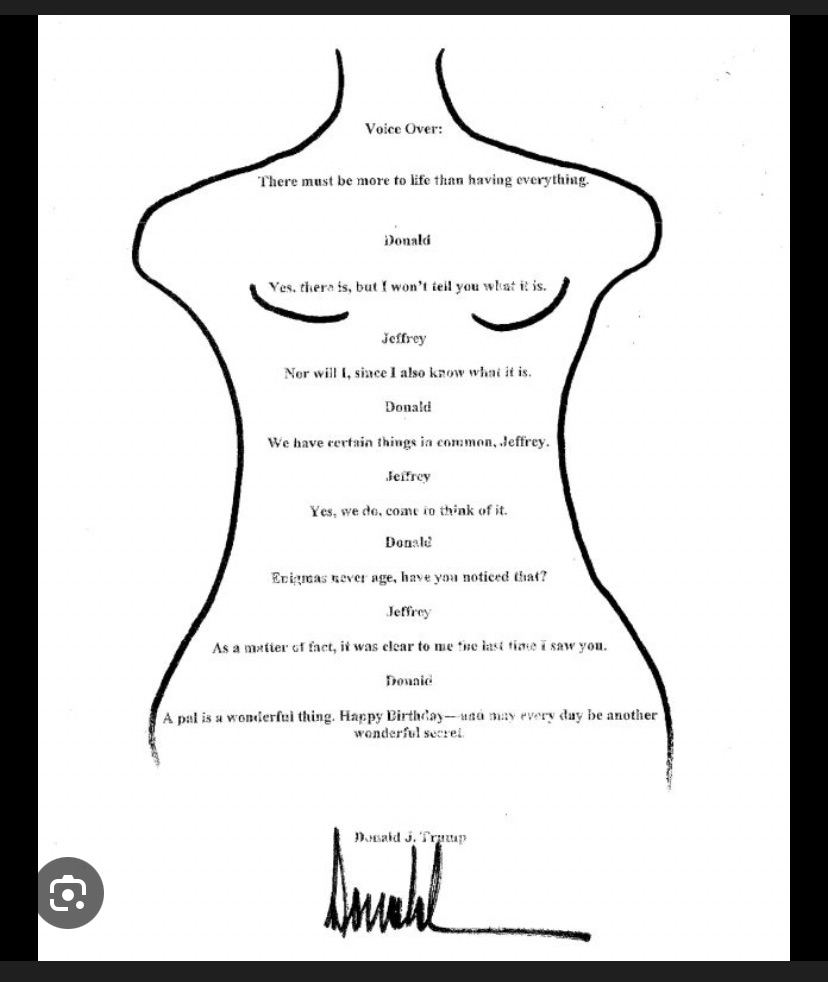
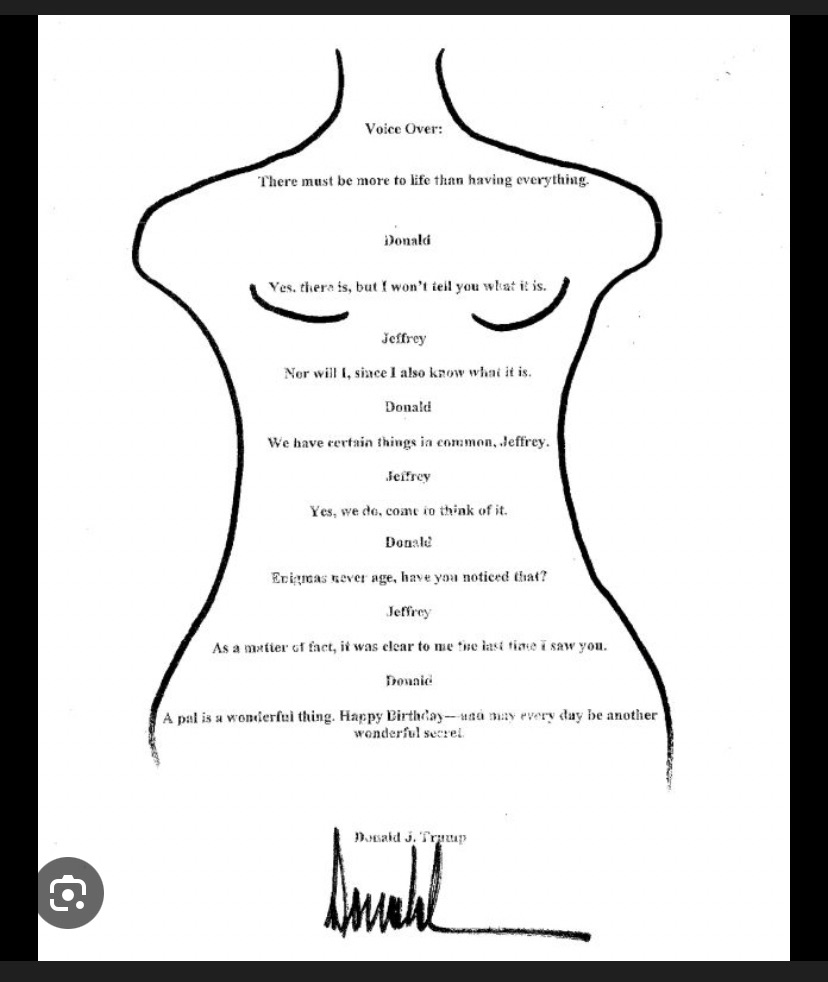
The public demand for full transparency regarding the Jeffrey Epstein files is indeed significant, driven by the scope of his alleged crimes and the revelation that many high-profile individuals, including politicians, business leaders, and celebrities, had ties to him. A major development concerning the public release of documents centered on a defamation lawsuit filed by Virginia Giuffre against Ghislaine Maxwell. While Epstein’s criminal case was primarily federal, the related civil litigation stemming from the Maxwell case became the main vehicle for document disclosure. On December 19, 2023, a federal judge, Loretta Preska, ordered the unsealing of over 180 previously redacted names from these civil court records, which were released in batches starting in January 2024. This unsealing order, stemming from the case Giuffre v. Maxwell (Case 1:15-cv-07433), provided the official public documentation of various names associated with Epstein, confirming the identities of individuals mentioned in depositions and court filings, and intensifying the public’s call for the release of all remaining governmental and investigative files.
🏛️ Political Connections and The “Informant” Claim
The mention of President Donald Trump in the files relates to publicly available flight logs and civil court documents, and it has been a point of continuous public scrutiny. Records confirm that Trump flew on Epstein’s private jet, nicknamed the “Lolita Express,” on several occasions in the 1990s and early 2000s, before a known falling out. Furthermore, reports surfaced following Epstein’s 2019 death regarding a non-prosecution agreement (NPA) that the U.S. Attorney’s Office in the Southern District of New York (SDNY) had entered into with Epstein in 2007. This agreement, which shielded his alleged co-conspirators from federal charges, later became the subject of intense controversy and a successful lawsuit, Giuffre v. U.S. Department of Justice, which was won by Giuffre, arguing the victims’ rights were violated. The claim that Epstein was an “informant” has been circulating in reports, suggesting that the leniency in the 2007 NPA was, in part, due to him allegedly providing information to authorities on others. However, this claim remains a contentious, unconfirmed element of the public narrative, viewed by critics as a mechanism used to justify the controversial handling of his case by federal authorities at the time.
⚖️ El Registro Público y la Demanda de Transparencia La demanda pública por una transparencia total con respecto a los archivos de Jeffrey Epstein es ciertamente significativa, impulsada por la magnitud de sus presuntos crímenes y la revelación de que muchas figuras de alto perfil, incluidos políticos, líderes empresariales y celebridades, tenían vínculos con él. Un desarrollo importante en relación con la publicación de documentos se centró en una demanda por difamación presentada por Virginia Giuffre contra Ghislaine Maxwell. Si bien el caso penal de Epstein fue principalmente federal, el litigio civil relacionado, derivado del caso Maxwell, se convirtió en el principal vehículo para la divulgación de documentos. El 19 de diciembre de 2023, una jueza federal, Loretta Preska, ordenó la publicación de más de 180 nombres previamente censurados de estos registros judiciales civiles, que se revelaron en grupos a partir de enero de 2024. Esta orden de publicación, derivada del caso Giuffre v. Maxwell (Caso 1:15-cv-07433), proporcionó la documentación pública oficial de varios nombres asociados con Epstein, confirmando las identidades de individuos mencionados en declaraciones juradas y presentaciones judiciales, e intensificando el llamado del público para la divulgación de todos los archivos gubernamentales y de investigación restantes. 🏛️ Conexiones Políticas y la Afirmación de “Informante” La mención del presidente Donald Trump en los archivos se relaciona con los registros de vuelo disponibles públicamente y documentos judiciales civiles, y ha sido un punto de continuo escrutinio público. Los registros confirman que Trump voló en el jet privado de Epstein, apodado el “Lolita Express”, en varias ocasiones en la década de 1990 y principios de la de 2000, antes de un conocido distanciamiento. Además, tras la muerte de Epstein en 2019, surgieron informes sobre un acuerdo de no procesamiento (NPA) que la Oficina del Fiscal de los Estados Unidos en el Distrito Sur de Nueva York (SDNY) había celebrado con Epstein en 2007. Este acuerdo, que protegió a sus presuntos co-conspiradores de cargos federales, se convirtió posteriormente en objeto de intensa controversia y de una demanda exitosa, Giuffre v. U.S. Department of Justice, que fue ganada por Giuffre, argumentando que los derechos de las víctimas fueron violados. La afirmación de que Epstein era un “informante” ha estado circulando en informes, sugiriendo que la indulgencia en el NPA de 2007 se debió, en parte, a que supuestamente proporcionaba información a las autoridades sobre otras personas. Sin embargo, esta afirmación sigue siendo un elemento polémico y no confirmado de la narrativa pública, visto por los críticos como un mecanismo utilizado para justificar el polémico manejo de su caso por parte de las autoridades federales en ese momento. Por—Jay
The photograph above, emblazoned with the single word “RESISTANCE,” captures the spirit of a movement dedicated to safeguarding the core tenets of American democracy. Now more than ever, our democratic values and institutions face unprecedented challenges. We have witnessed a calculated effort to undermine established governance norms, threaten institutional independence, and generate instability across the federal government.
As citizens, we have answered the clarion call for justice and to halt any actions that threaten the hostile takeover of our nation’s foundational principles. We are NYC Falcon, and we are part of a national, grassroots, boots-on-the-ground community committed to upholding the rule of law. We are a nonviolent, peaceful collective dedicated to the norms and institutions the U.S. Constitution was written to protect.
This movement’s current strength is no accident. Early this year, many of us at NYC Falcon knew this moment was coming. We proclaimed, “On my life, it will be a summer of protest”—a self-fulfilling prophecy that we are proud to say we brought to you first, right here at NYC Falcon, you heard it first. Look now: we are in the winter, and we’ve had a whole year of continuous protest. The movement is stronger than ever and is only getting bigger, with more groups rising every day to join the fight.
The Power of Peaceful Dissent: A Year of Massive Protests
The sheer volume and size of peaceful public demonstrations this year is a powerful barometer of the displeasure and discontent felt by the collective American people. These gatherings are not just expressions of anger; they are vital acts of civic engagement, reminding elected officials that governing requires consent and adherence to established rules.
Here are three main peaceful protest events that have galvanized the movement since the beginning of the year:
1. “No Kings on Presidents Day” Protests (February 17, 2025): Early in the year, this nationwide mobilization set the stage for sustained activism. Thousands gathered in cities across the country to demonstrate in favor of constitutional checks and balances and against the erosion of institutional independence. This initial show of force provided the necessary momentum for future, larger events.
2. The Nationwide “No Kings Day” Demonstrations (June 14, 2025): On this day, organizers estimate that over four million Americans mobilized across more than 2,100 locations nationwide. This massive, coordinated effort was a powerful statement against sweeping executive actions and legislative proposals that critics argued challenged core governmental structures and social safety nets. The sheer scale of this June demonstration was a clear signal of national opposition.
3. The “No Kings 2.0” Protests (October 18, 2025): The second major wave of coordinated national action saw even greater numbers, with estimates suggesting upwards of seven million participants took to the streets. These protests directly addressed the impacts of the recent government shutdown and policy shifts concerning immigration and healthcare access, showing that the movement remains energized and responsive to specific policy threats.
Legislative Efforts to Restore Stability and Checks
In parallel with public action, legislative efforts have been enacted to reinforce the institutional guardrails and prevent the disruption of normal government function. These new laws serve as direct legislative countermeasures to protect the norms of our governance:
1. The Continuing Appropriations and Extensions Act, 2026 (H.R.5371): Passed by Congress to ensure the government remains funded, this critical law reinforces the fundamental institutional norm of fiscal stability and continuous service, preventing the deliberate weaponization of the budget process to shut down vital agencies.
2. The Government Shutdown Prevention Act of 2025 (S.499): This legislation, designed to permanently reform the appropriations process, seeks to remove the threat of repeated government shutdowns by creating mechanisms for automatic funding or expedited procedures, thereby restoring predictability and stability to federal operations.
3. Bipartisan Congressional Accountability Act (Modeled on the CRA): The frequent and successful use of the Congressional Review Act (CRA) resolutions this year, culminating in this act, demonstrates Congress using its explicit authority to block specific rules and regulations issued by the Executive Branch. This action is a textbook example of the Legislative Branch enforcing crucial checks and balances against overreach.
The fight to maintain institutional integrity is ongoing, but it is met with the resolve of millions of citizens dedicated to nonviolent action and the principles of our founding documents.
Join NYC Falcon as we continue to stand for democracy, equality, and the rule of law. Find our next event on our social channels!
Jairo Bonilla aka NYCFALCON aka Meshekatlan aka Jay Falcon Walker aka truthearth on facebook.