The meticulous coverage of every single event has been documented here on the TikTok platform as well as my website listed in my bio.
A Hostile Takeover: The Start of 2025
The year 2025 opened with a cascading of attacks against our democratic norms and institutions. We witnessed the systematic demolishing of our national healthcare, the gutting of Social Security, and the dismantling of other vital institutions like World Aid. These resources have been literally begun to be transferred to a slush fund for the wealthy billionaires whom the Trump administration placed in his personal cabinet and surrounded himself with as stakeholders.
As eloquently explained by Representative Alexandria Ocasio-Cortez, there is footage of her very testimony, with those exact words, explaining this transfer of wealth circulating on TikTok and other platforms.
All of these events have been archived and meticulously categorized, and properly labeled with metadata to ensure optimal archival cohesion is met.
The Predicted Wave of Protest
And just as I predicted in the beginning of the year, we would see many more protests. All the other analysts I consult as reliable sources have been in unison, speaking with one voice—a clarion call to the masses—that more protest was inevitable.
The 2024 Insurrection began the political upheaval, and 2025 followed immediately with a political overhaul by the Trump administration, evident by its use of a hostile regime takeover strategy.
The Insult of the Pardon
The pardoning of all the insurrectionists—the very people who blatantly left their faces and evidence of their crimes in the halls of Congress and throughout the offices of congressmen and senators—is a direct slap in the face to every law-abiding citizen of this country.
A Year Full of Action
Just as I predicted, 2025 has become a year full of widespread protest.
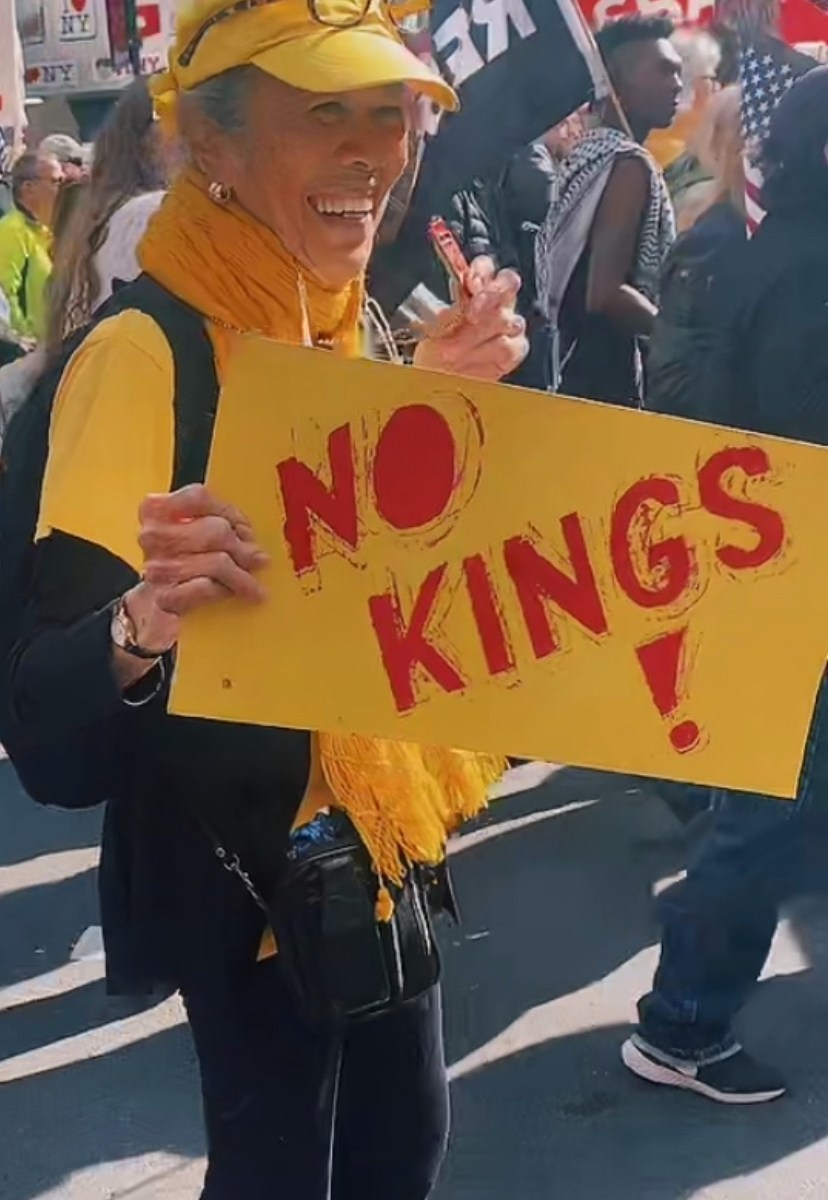
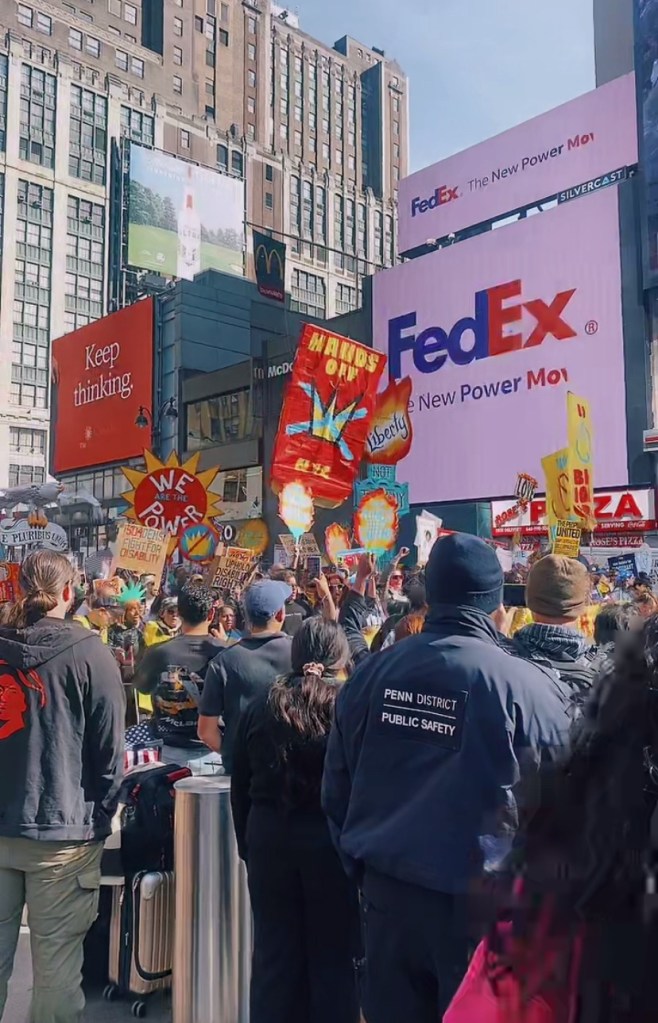
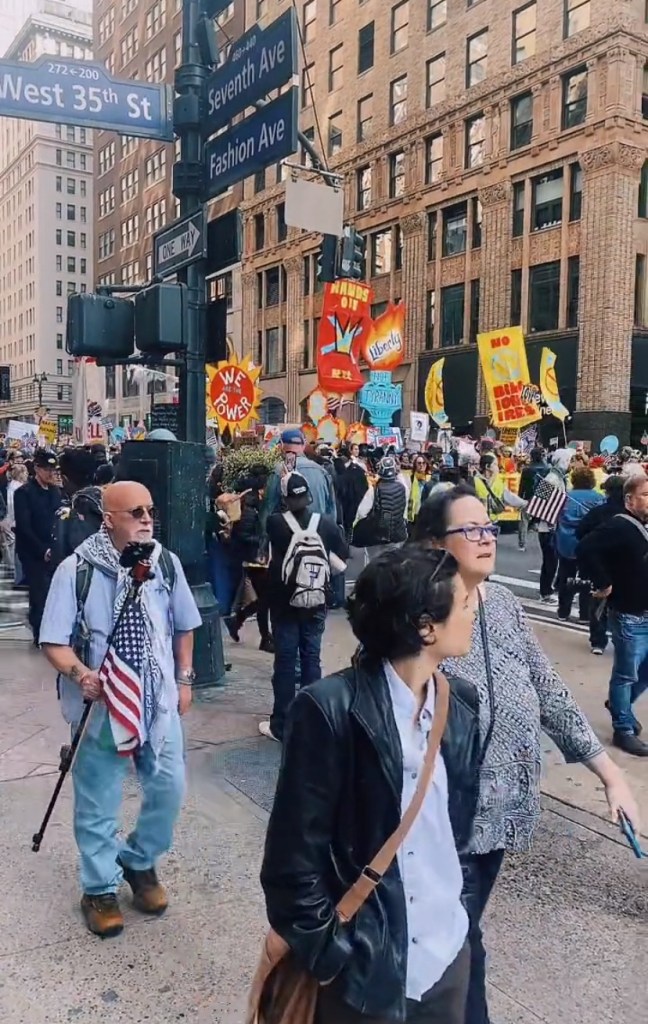
On Date/Day: e.g., March 18th, we experienced one of the most crowded and populated marches of all time. The protest took place in all 51 states, drawing more than 7 million people across America and countless more around the world.
Upholding Democracy
Here at NYC falcon, I will continue to bring you only the exclusive stories pertaining to the preservation of our norms, our institutions, and our democratic way of life.
Democracy is not set in stone. It is a living entity that must be upheld by its constituents and citizens.
Join the fight to keep democracy today! Like and share, and don’t forget to leave a comment. Feel free to follow me for continued updates.
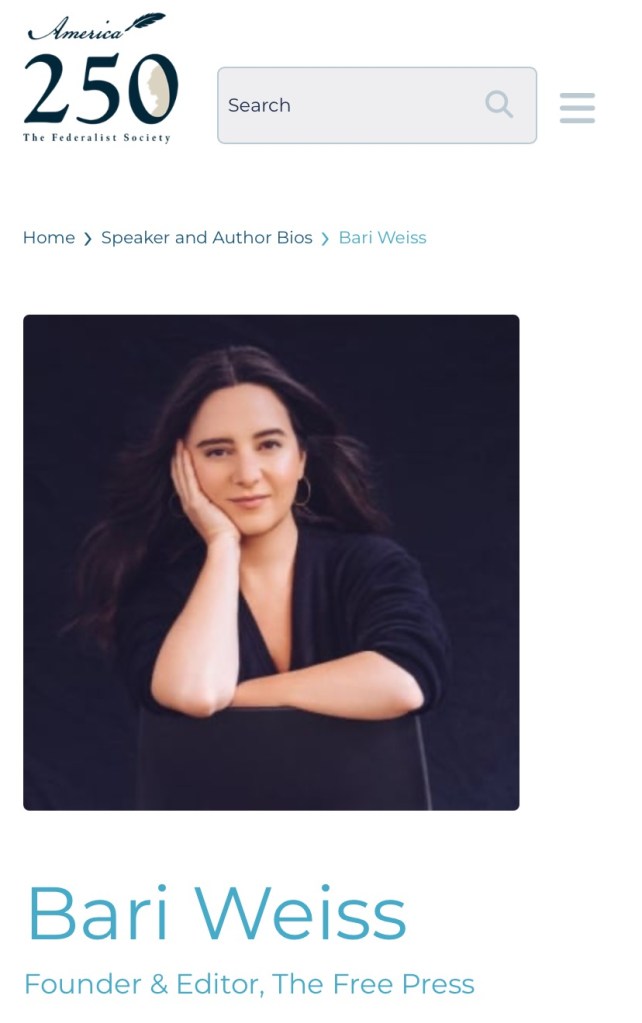
Bari Weiss’s recent call for fairness, fearlessness, and factual rigor is, without question, the urgent corrective our media desperately needs. Her framework accurately describes a political breakdown where the center-left was ultimately hollowed out by the far-left. It’s a truth that needed saying.
But to truly understand the depth of this media crisis, we must challenge the timeline. This isn’t a ten-year problem rooted primarily in ideological overreach; it is a twenty-year erosion rooted in commercial decisions that deliberately gutted the media ecosystem. The culture war, frankly, is the profitable symptom of a much older structural disease.
The Business Decision that Undermined Reality
With my dual perspective—academic background mixed with real-world business insight—I remember the exact moment the tide turned. It didn’t happen in a vacuum, and it certainly didn’t happen overnight.
The critical turning point was the labor and economic instability caused by the Writers Guild of America strikes, particularly the major strike of 2007–2008 (a year I remember clearly because my daughter was born). This disruption served as an opportunistic window for the entertainment community to pivot away from a costly model. They turned their backs on unionized, scripted content—the kind of work that demanded complexity, nuance, and higher operating budgets.
In its place came the intentional promotion of cheap, non-union, unscripted programming: reality television.
• The Steve Wilkos Show.
• The Apprentice.
• Fear Factor.
Remember, boys and girls, Joe Rogan didn’t start as a podcast guru; his ascent began as a commentator and host for Fear Factor.
The Public Trained for Spectacle
This flood of reality television was not a cultural accident; it was a deliberate, cost-saving framework for framing society.
Sensationalism, manufactured conflict, and raw, unfiltered opinion became the new currency of “authenticity.” The viewing public was systematically trained to consume high-conflict spectacle, essentially replacing the intellectual contract of thoughtful, complex narrative with cheap, emotional drama.
This is the critical link that extends the crisis to two decades:
Here’s the process:
1. Use a Simple Tool: Use a basic tool (like Google Docs, Microsoft Word, or a free online chart generator) to quickly recreate the simple two-column table below.
2. Screenshot/Save: Take a screenshot of the resulting table or save it as a JPEG/PNG image file.
3. Upload to WordPress: In your WordPress post editor, click the ‘Add Media’ button and insert the image.
4. Add Alt Text: Use the suggested Image Alt Text from the metadata list above for SEO and accessibility.
Column 1 Header:
The 20-Year Shift (Structural/Commercial)
Column 1 Points:
• Shared reality was too expensive
• Replaced with inexpensive, high-conflict entertainment.
• Result: Public’s appetite for nuance dulled.
Column 2 Header:
The 10-Year Shift (Ideological/Woke)
Column 2 Points:
• Objective reality was too inconvenient
• Replaced with politically charged, jargon-filled commentary.
The 20-Year Erosion of Media Integrity: Why Commercial Decay Preceded the “Woke” Crisis
Bari Weiss’s recent articulation of core journalistic values is not just timely; it’s right on the money. Her call for reporting on “the world as it actually is,” with fairness, fearlessness, and factual rigor, is the urgent corrective the media desperately needs. I absolutely believe her framework accurately describes the political breakdown, where the center-left was ultimately destroyed by the far-left.
However, to truly understand the depth of this crisis, we must challenge the timeline. This is not a ten-year problem rooted primarily in ideological overreach; it is a twenty-year erosion rooted in commercial decisions that deliberately hollowed out the media ecosystem. The culture war is merely the profitable symptom of a much older structural disease.
I. The Critical Turning Point: Swapping Nuance for Cheap Spectacle
I witnessed this happen before my eyes. As someone acclimated and well-versed in the academic world, but who has always rejected classical academia in favor of real-world business insight, I remember the exact years this transition happened. It didn’t happen in a vacuum; this didn’t happen overnight.
The key turning point was the labor and economic instability caused by the Writers Guild of America strikes, particularly the protest in 2001 and the major strike in 2007–2008 (I remember it clearly because my daughter was born that year). This disruption served as an opportunistic window for the entertainment community to pivot away from costly, unionized, scripted content—the kind of work that demanded complexity and nuance.
In its place came the intentional promotion of cheap, non-union, unscripted programming: reality television. Shows like The Steve Wilkos Show, The Apprentice, and Fear Factor are perfect examples. Remember, boys and girls, Joe Rogan began his ascent as a commentator and host for the hit show Fear Factor before he went on to do everything else he’s doing with the world of mixed martial arts.
II. The Public Trained for High-Conflict Drama
This flood of reality television was not a cultural accident; it was a deliberate, cost-saving framework for framing society, where sensationalism, manufactured conflict, and raw, unfiltered opinion became the currency of “authenticity.” The viewing public was trained to consume high-conflict spectacle, essentially replacing the intellectual contract of thoughtful, complex narrative with cheap, emotional drama.
This is the critical link that extends the crisis to two decades:
When the commercial model decided that shared reality was too expensive, and replaced it with inexpensive, high-conflict entertainment (the 20-year shift), it created the ideal conditions for the current ideological breakdown (the 10-year shift). Once the public’s appetite for nuance was dulled, it became easy for institutions—journalistic and otherwise—to trade objective reporting for politically charged, jargon-filled commentary that delivered high engagement and low operating costs.
III. Rebuilding Starts with the Bottom Line
Bari Weiss’s principles are the map we need to rebuild: Journalism that reports on the world as it actually is. But the loss of this value began not with a change in political allegiance, but with a foundational, deliberate change in the media’s bottom line. The current ideological chaos is simply the predictable cultural harvest of two decades of structural, commercial degradation.
We have to recognize the financial root of the problem if we ever hope to fix the ideological branch.