Master Class: The Physicality of Longing
🎹 Master Class: The Physicality of Longing
Subject: Domenico Scarlatti, Sonata in B minor, K. 27 (Longo 449) Instructor: Jairo “Jay” Bonilla (The NYC Falcon)
I. The Irregularity of Genius: The “Ghost” Clef
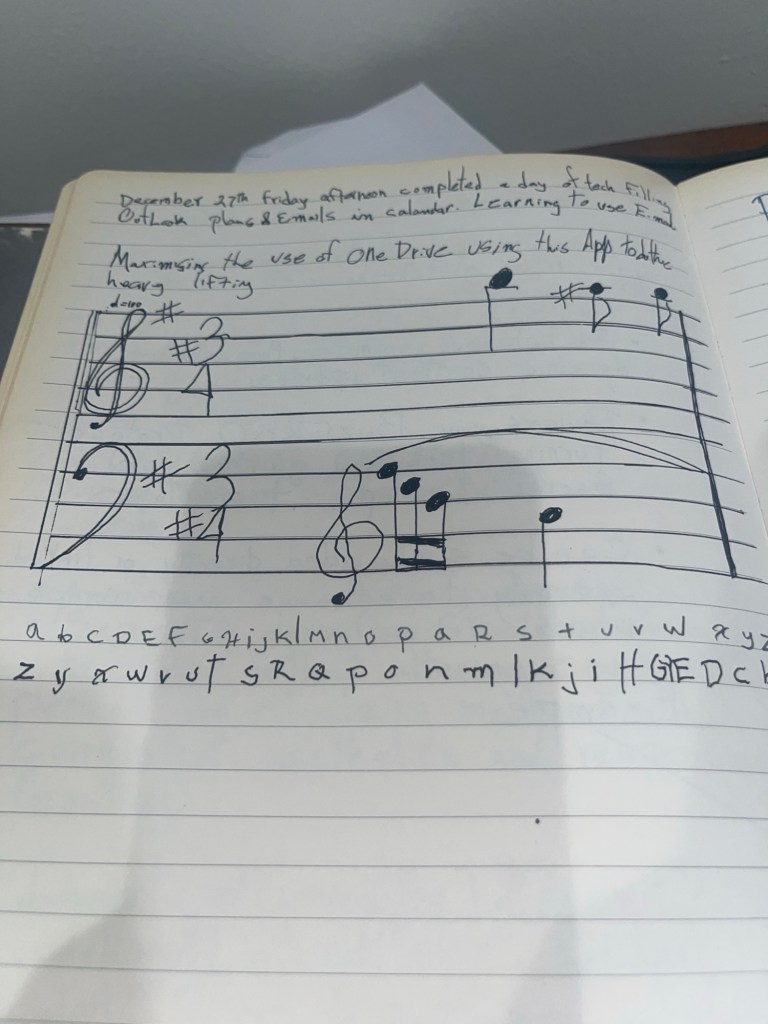
In the world of classical notation, rules are often rigid. Yet, in Sonata K. 27, Scarlatti breaks the “law” of the staff. He deliberately places a G-Clef (Treble Clef) in the bottom staff—the domain of the bass.
- The Insight: This is not a mistake; it is a choreographic instruction. Scarlatti is physically forcing the left hand to abandon its home and cross over the right.
- The Result: This creates a “visual dissonance” for the player that translates into an athletic “physical dissonance” in performance. The left hand isn’t just accompanying; it is invading the melody.
II. The Physics of Emotion: The “Heavy” Left Hand
On a grand piano, the physics are undeniable: the bass hammers are larger, and the strings are thicker. This gives the left hand a natural, gravitational “heaviness.”
- The Technique: When Scarlatti commands the left hand to cross over and play high notes, the pianist brings that “heavy” weight into the delicate treble register.
- The “Kiss”: The result is what I call the “Heavy Left-Hand Kiss.” It adds a “roughness” and “grit” to the high notes that the right hand—naturally lighter and more agile—could never achieve. The “longing” of the piece comes from this struggle: the heavy hand reaching for the light.
III. The Ballet of the Keys (Performance as Acting)
To play K. 27 is not merely to read notes; it is to act a role. The hands are not static; they are dancers performing a pas de deux.
- The Choreography: The “un-syncopated syncopations” require the hands to weave over and under one another—a literal “twinkle” of fingers where black and white keys blend.
- The Narrative Arc: The piece is a binary dialogue between the “tragedy” of B minor and the “sunlight” of D major. We do not just play the resolution; we survive the tension to earn the release.
Conclusion for the Student: Perfection in Scarlatti does not come from the fingers alone; it comes from the ear (Absolute Pitch) and the soul. We must be “actors” at the bench, treating every arpeggio as a line of dialogue that speaks of human longing.
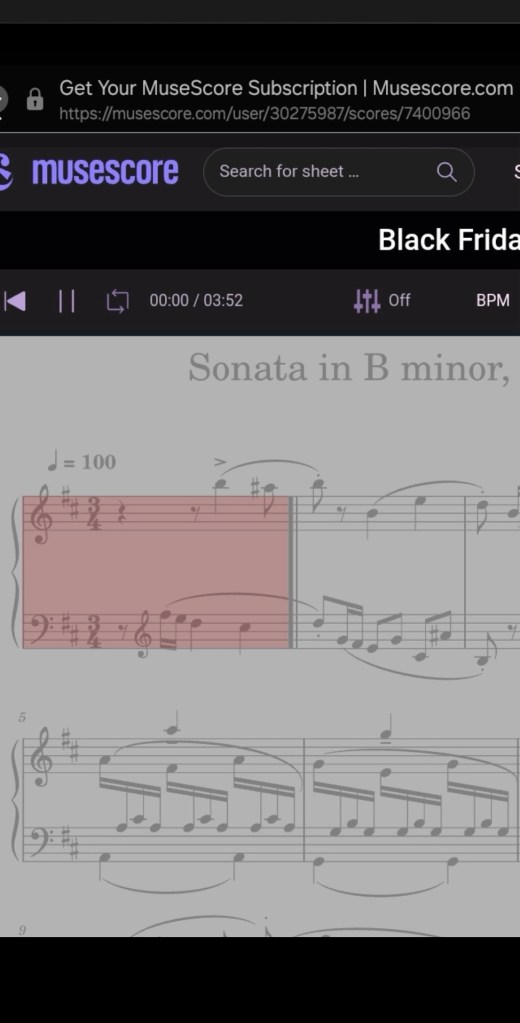
Scarlatti’s deliberate use of the G-Clef in the bass staff to force the hand crossing.
An analysis of Domenico Scarlatti’s Sonata K. 27 by Jairo “Jay” Bonilla
• • •
- (no title)The Indivisible Guide • The 50501 Movement 8 Million Protesters Around America and Beyond The Grassroots Movement: No Kings In America VOL. 1 — NYC FALCON NEWS TUESDAY, MARCH 31, …
- (no title)The Architecture of Defiance: A Chronological Analysis of Grassroots Mobilization and the “No Kings” Movement, 2016–2026 The decade spanning 2016 to 2026 represents a transformative era in the history of …
• • •